Translated from the Lithuanian by Ada Valaitis
Well, how naïve you are, what unhappy people, searching for God, yourselves, enlightenment, nirvana, transcendence, nothingness, emptiness, dao, and goodness knows what else – shuttered in vipassana meditations, locked in silent ashrams, musty in churches, temples, weeping in the shade of minarets. Listen to the zen master housewife – I’ve been practicing for thirty years – I hold the rank of floor washer, so no questions for me, none of that: my God, for what, why, how – just a mandala of everyday life blown away by a child or time in a second – and then nothing. A rag again, wet, scouring. Where’s enlightenment, you ask. Where’s ecstasy? Know that sometimes, very rarely, when I roll my stone in the silence, the reward – a meditation of patience – when the rag stops being just a rag-so, and becomes a rag-here, full of diligence, inviting the floor and water to a conversation. The floor and I become one. The face of God appears in the cleaned spot.
The second time I saw Sylvie, she was sitting on the side porch with a cigarette, watching me flee my aunt’s bustling home through the bathroom window.
“Not enjoying the party?” she asked, covering a laugh as I walked past her, heels sliding into the lawn. My chest got tighter.
The first time I saw her was this morning—she was handing me a name tag and introducing herself as our Thetic representative. While my aunt’s living room became an ocean of box-dyed up-dos and swing dresses, Sylvie was a siren in plaid trousers and shoulder-length waves.
Despite this, she was one of the last people I wanted to see.
“I’m not in the mood for your snake oil.”
Sylvie placed a sharply manicured hand on her chiffon scarf. “And I’m not in the mood for your venom.”
I frowned. A glisten of sweat gathered at my hairline.
“I’m teasing,” Sylvie replied.
My balance swayed.
“You look pale, are you alright?” Sylvie asked.
“I’m fine—this happens sometimes.”
“Come sit.”
I studied my options: the step, the dirt, or the couch back inside. Heart thudding louder, I joined her on the step.
“May I?” Sylvie asked, cradling her fingers on my dress zipper.
I shot her a look, tensing my shoulders. Our hips brushed.
“It’s too tight, it’ll help you breathe.”
“You think it looks too tight?”
“Dresses are made to be too tight. How else are we supposed to remember that we’re taking up too much space?”
If my ribs could move, I might’ve gasped.
A dry smile crossed Sylvie’s face. My ears burned—I was suddenly grateful Mom made me wear my hair down.
“Oh come on, that was funny.”
“Do you always speak your mind like that?”
“Always. Now can I help you?”
I nodded and sat up, allowing Sylvie to slide the zipper down my spine. My grateful lungs expanded.
“Better?” Sylvie asked.
“A little.” I was suddenly self-conscious about my mismatched underclothes. The burning traveled from my ears to my cheeks.
“Can I fix you a plate? There’s a shocking amount of deviled eggs inside.”
A laugh escaped me. “God, no.”
“Tea sandwich? Canape?”
“You can try to sell me on a build-a-boyfriend, but you’ll never sell me on Aunt Paula’s cooking.”
Sylvie cocked her head. “Build-a-boyfriend. I like that.”
I inhaled, taking in a few dwindling wisps of Sylvie’s cigarette.
“So, taking your ten-minute break too?”
“My mother was hovering over my order form. Your presentation really inspired her.”
“That is what I’m here for.”
I nodded. “It’s just a lot to take in.”
“Preaching to the choir. Took me over three months to get completely off book for these things,” Sylvie said. “What’s your biggest concern about getting a Thetic right now?”
I scowled.
“I’m on my break, this is just girl talk.”
“No funny business?”
With a red fingernail, Sylvie traced an X over her chest.
“Well, for one, they’re not exactly cheap.”
“Oh, we don’t use the c-word at Thetic—we prefer the f-word.”
“Pardon?”
“‘Cheap’ implies low-quality; there are no cheap Thetic units because our customers aren’t cheap,” Sylvie explained, taking the last drag of her cigarette before snuffing it on the step. “We say ‘frugal,’ or ‘economical,’ ‘affordable.’”
I slumped forward, nesting my chin in my hand. The sun, filtered through the oak leaves above us, warmed my back.
“It’s all so phony. Nothing’s genuine.”
“It’s just marketing—”
“You’re forcing a lie down everyone’s throats under the guise of party games and punch. It’s sick.”
“Would you rather I sell you a vacuum or a casserole dish?”
“I’d rather have one of those than some robot husband.”
Sylvie’s eyes narrowed, dropping the lightness from her voice. “And which part of that is really the issue for you?”
The words landed on my face like a slap.
Sylvie reached into her purse and pulled out her cigarette case and lighter.
“I’m going to let you in on a company secret,” she said. “People don’t pay us for units. They don’t pay us for upgrades or fancy tech or cosmetics—they don’t even pay us for the love or companionship.”
Sylvie drew her face closer to mine. I flicked my gaze to my knees.
“People pay us because we give them the life they wish to present to others.”
She positioned a cigarette in the crook of her lips. “You think brushing off backseat bingo with the son-of-the-sister-of-your-mother’s-hairstylist is you living genuinely? Please.”
A lump crept into my throat.
“We’re all selling something. Call me a snake oil saleswoman all you want.” Sylvie shrugged. “It takes one to know one.”
Silence hung between us like a sparrow weighing down a branch.
After a few tries, Sylvie got her cigarette lit.
“I’m sorry,” I whispered, trying to hold my voice steady.
Sylvie shook her head. “No, that was unkind of me.”
“But you weren’t wrong.” I held a hand out for Sylvie’s cigarette.
Sylvie handed it over. “That makes it more unkind.”
I sent the smoke into the breeze. A rogue, unexpected tear fell onto my dress.
“I swear I’m not trying to be difficult,” I said, returning the cigarette. “I’m lucky we can afford something like this—I don’t want them wasting their money on something I don’t want.”
“You don’t want freedom?”
Nobody had asked me that before.
“Let’s say we order you a stock Thetic unit. Tall, dark, and handsome AesThetic, throw in the KinaesThetic self-maintenance feature—right now it’s buy-one-get-one on hardware, so we throw in EmpaThetic too for emotional intelligence—whatever. We order him for you. You know what happens then?”
Sylvie took another drag before continuing.
“You move out of your parents’ and get a nice, reasonable apartment. The space is all yours, he just needs an outlet. You keep your job because he legally cannot enter the workforce, and while you’re at work, he maintains the home, maybe cooks you dinner if that’s what you want. You can shut him off, keep him in a closet, and bring him out when your mother visits. No expectations, no questions. That’s not me trying to sell you a ‘build-a-boyfriend.’ That’s me offering you a life.”
I bit the inside of my cheek. Inside, a widow started celebrating.
“I have eyes. If you really wanted a man, you’d have one by now.”
My stomach sank. Holding the cigarette between her lips, Sylvie pulled a pen and a Thetic Corporate business card from her handbag.
“Listen, sometimes people like to get a second skin as a backup. However, it doesn’t necessarily need to be a duplicate of the first one.”
Sylvie eyed me before flipping the card over. I watched her drag a small smudge of her lipstick across its ivory face as she wrote her phone number. I read somewhere that you can tell how generous someone was by how they wrote their O’s and zeroes.
“We have a bunch of floor models we’re retiring. If you call me before next Friday, I can get you one of those skins for a fraction of the cost—something you’ll like—and I’ll be discreet about it on the receipt.”
She fanned the card for a few moments before slipping it into my skirt pocket. “Think about it.”
I felt the weight of it; the sharp edges of the corners, the narrow loops of her zeroes.
“Jolene?” A voice rang from the front door. “Jolene?”
“That’s my mom,” I hissed. “Zip me up!”
My mom rushed into the driveway, neck craning toward the belly of the cul-de-sac.
Sylvie tugged on the zipper, which stuck every chance it got. Her perfume smelled like powder and jasmine.
“Hurry!”
“I’m trying!”
“Jolene!” My mother rushed over, her face twisting behind her harlequin glasses. “What on earth are you doing?”
“Mom—”
“Your daughter was just joining me for some air,” Sylvie rose from the step. “I’m in search of a new dress, and she was kind enough to let me peep at the tag in hers.”
I nodded as I stood and smoothed out my skirt.
“I didn’t see you step out,” Mom said. “I was worried.”
“She’s been lovely company. We were actually having a bit of a one-on-one consultation regarding her order!”
“Oh?”
I nodded again.
“She’s very convincing—I usually charge for that!”
My mother glanced at me, then to Sylvie as she slipped back into her Thetic saleswoman persona, telling her all about the strapping-but-affordable son-in-law they were going to build for her. While they made their way to the front door, I trailed behind, watching my mother light up with glee. The news made her look two inches taller. Perhaps the burden of a spinster daughter had been that heavy.
A wave of laughter spilled out from the house as Mom and Sylvie entered. I held my breath, wondering if Sylvie would look back at me; if I’d get to commit her Fire and Ice smile to memory.
I cast my eyes down, placing a hand over the card in my pocket.
and wants me to get better.
I read a peer review article and then a tarot spreadon resilience and rigidity
I practice acceptance for all parts of myselfby vomiting on a therapist’s expensive carpet
I take a fistful of meds at night and againin the morning. I cough up red phlegm
and in the clot is a better version of meRaw and Fresh and Shiny
And my friends pet her headwhile I watch from my tower.
I become healed by owningnothing, owing nobody. I free bone
from its codependence to cartilage.My insides are chlorine clean.
I sleep to White Noise for Dogsand dream that the hand hovering
above my mange will decide sick dogsdeserve skin-to-skin too, even the ones who aren’t
doing the work. I am sickof dragging myself outside
to be grateful and smell the oncoming springand piss but my dying inside
would make everyone uncomfortable andEveryone loves me, just
no one wants to stroke my patchy bodyand let me eat chocolate,
love me like a farmer loves a lame animal—
out back, through a silencer.
The phone lights up,your face smiling, radiantbeneath a pile of pencil sketches,your desk and home reverberatingwith your absence; battery winking red.
Lamplight strobing across your face,worn out, as our bus rumbles on.You smile in sleep, handstill gripping mine;fingertips still grey.
| Search History | Filter by: Date (Ascending) |
|---|---|
| 18/12/2021 | |
| 3:17PM | spider-man no way home show times event cinemas |
| 3:22PM | event cinemas discount codes |
| 7:10PM | google maps |
| 11:46PM | tom holland movies |
| 11:49PM | where to watch the devil all the time |
| 19/12/2021 | |
| 7:21PM | netflix sign in |
| 7:21PM | why does netflix keep signing out |
| 10:23PM | tom holland instagram |
| 10:34PM | tom holland shirtless |
| 24/12/2021 | |
| 8:22AM | stockland christmas eve opening times |
| 8:35AM | gift ideas for grandma |
| 11:20AM | reddit family christmas AITA |
| 11:41AM | reddit christmas family horror stories |
| 30/12/2021 | |
| 5:15PM | where to watch cherry |
| 5:16PM | amazon prime free trial |
| 8:01PM | tom holland partner |
| 8:03PM | tom holland cherry scene |
| 8:23PM | am i gay quiz |
| 8:40PM | what does 89% gay mean |
| 8:51PM | how do i know if i’m gay |
| 8:59PM | reddit am i gay |
| 9:11PM | is tom holland attractive to everyone |
| 9:13PM | pornhub lesbian |
| 9:15PM | reddit workplace fails |
| 31/12/2021 | |
| 1:15AM | pornhub gay |
| 9:10AM | best gay movies |
| 11:30AM | where to watch heartstopper |
| 11:32AM | reddit why does Netflix always sign me out fixed |
| 7:44PM | dehydration headache from crying? |
| 7:56PM | how to come out as gay |
| 7:57PM | how to come out as gay to friends |
| 8:47PM | best place to see new years fireworks sydney no traffic |
| 5/1/2022 | |
| 11:10AM | 18th birthday ideas |
| 11:21AM | gay bars Sydney |
| 11:30PM | dangerfield clothes |
| 12:58PM | afterpay sign up |
| 1:17PM | google maps dangerfield sydney |
| 8/1/2022 | |
| 1:35PM | dan murphy’s sydney maps |
| 2:30PM | drinking games |
| 8:13PM | ARQ sydney google maps |
| 11:47PM | can you delete someone else’s instagram reel |
| 9/1/2022 | |
| 12:05AM | untag from someone else’s instagram reel |
| 12:11AM | uber |
| 4:05AM | am i going to hell gay reddit |
| 4:21AM | how to live out of home at 18 |
| 4:32AM | reddit coming out horror stories |
| 5:21AM | reddit christian parents gay |
| 11/1/2022 | |
| 9:41AM | queer events for families sydney |
| 11:31PM | gay friendly churches Sydney |
| 12/1/2022 | |
| 11:21PM | how to tell if your best friend likes you |
| 11:22PM | how to tell if your best male friend likes you |
| 11:23PM | how to tell if your best male friend likes you gay |

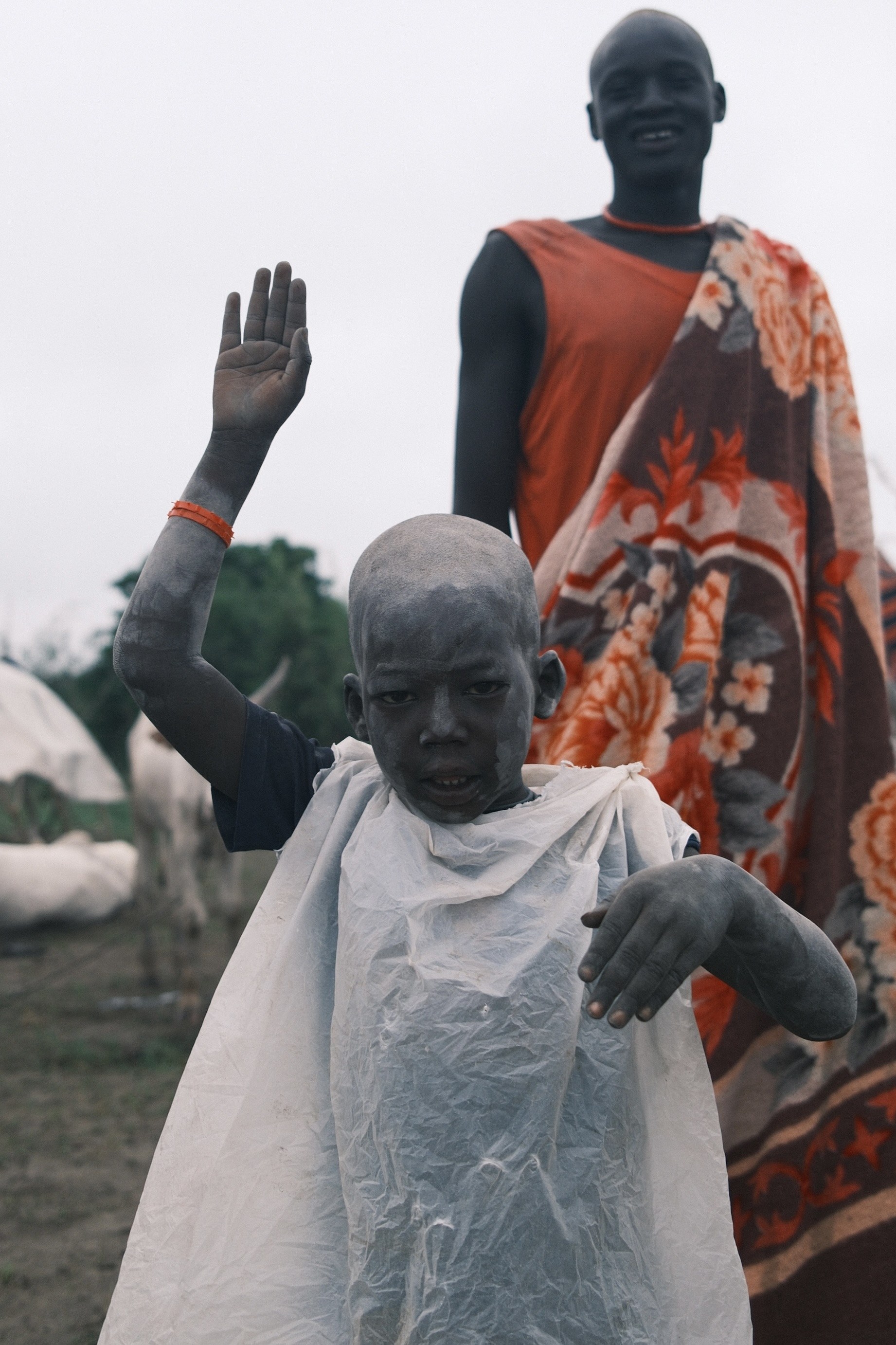

Today’s heat gifts me memory. Nana’s crepe myrtles guarding the car port, gallon buckets half-filled with warm hose water and dollar tree dish soap. My siblings and I picking june bugs like fruit, barbed legs gripping and pinching our sweaty fingers in vain. Shaking them off into the soapy water, jewels left to wriggle and spin with their kin, jade vests competing with the bubble’s opalescence. That Baptist church sitting quiet right behind us, a witness to our smiting of creatures making love in the wrong flowers.
I know this, because I am one of them.I live in my studio shoebox of sticks next to anotherMs. Beaver in a matching studio shoebox of sticks.She goes off her meds sometimesand rages in the night,screams off the balcony at no onein particular: FUCK! She does not speakfor both of us. People love beavers becausewe are furry and cute with ourlittle buck teeth, but we willtake over if you let us. Spreadlike friggin’ lupine: let one of us in,and there goes the field! Or ticks.We destroy. My studio shoebox of sticksnearly took out the peninsulahigh school one year, the hospital another. Itturned the neighboring streaminto a lake, causing even my own familyto flee and take shelter somewherefar away from me.Now, when people see mecoming, I can see itin their faces: She’s cutefor a while, but don’tlet her get too comfortable unlessyou want a flooded basement.
Fuck.
Barnacles wager arms, shoulders, teeth—all thingswagered in dice—against the tentacles fondlingthe underbelly of the catamaran dubbed sunk;sailing the ocean floor itself, churning rockswith its propeller; the swirls creating lollipops
in sand, coarse enough that it removes taste budsfrom the barnacles, who wager arms, shoulders, teeth—all things wagered in dice—against the ocean’strenches where their appendages wait for themto finally tell the truth: mummified in seaweed
is Agamemnon; wearing his mask is a tiny fleetof six shrimp under the promise of receiving his will:arms, shoulders, teeth—all things wagered in dice—against the angler fish with a blown bulb; sittingin retinue of the sun’s disappointment in his
monstrosity; a father’s discipline snatchingthe light from the soldiers of jewel squids, blackswallowers, and the fractured faces of chimaeras,all orphans, all abandoned by their guardian, alltrenched, all things wagered, in dice.
The storm arrived quietly, a black wall of westerly clouds sleepwalking in as he chopped vegetables for dinner. The dog signaled it an hour earlier; he found her hiding in the bathtub, legs rattling against the porcelain. As they ate his eyes couldn’t help returning to the kitchen window past his wife’s shoulder, back to the morbid sky and the row of quaking trees beneath it. Just a summer thunderstorm, he told her, nothing to worry about. Growing up he’d seen it a million times: the sickly green sky before the encompassing dark, and the whooshing of the tall pines swinging together around their house. But he was a kid then, waiting it out with his mother in the basement. He left that out. His familiarity gave her some small relief.
In the end, all that came their way were simple showers and echoes of thunder overnight, and by the early morning only the smell of rain remained. He was fast asleep in bed, wife and dog in a tangle next to him, when the phone rang.
The storm had touched down farther north, the editor said.
“Go take some pictures, talk to a few of the folks.”
“How bad?” he asked.
The editor didn’t reply. It didn’t matter. He’d learned by now that in this part of the state, any weather at all was news. Who else in the newsroom had already received the same call? All unavailable for one reason or another, and now he was the last resort.
“Take enough photos for our sister papers. Keep the good ones for us. We’ll run your story and art tomorrow. If it’s bad enough, it might make it on the cover.”
After the call ended he remained in bed, listening to the soft breathing of his companions. Junk stories during the day, callouts at two in the morning. Who cared to see what a storm wrought on a podunk town a couple hours away? He wasted several minutes staring at the ceiling before he kissed his wife goodbye and packed his things. A notebook and a pen, the DSLR camera that still felt like some alien technology in his hands, and some reheated coffee. Even his old Toyota refused to groan awake until the second attempt. The dog watched from the upstairs window as he reversed out of their driveway and onto the road.
⁂
A nearly full moon hung behind him as he drove. Whatever had passed in the night had cleared by the time he reached the highway. Cornfields, painted blue by the darkness, rolled along either side of the road, the infrequent bat darting overhead. The tornado had hit near Portage, two hours from his home, in some small town he didn’t know. It took him several false starts before he found it on the map. A thin line of blue–the Fox River–connected it to its neighbors, a mere capillary reaching out to the Wisconsin River nearby. But he couldn’t see much in the way of a storm, and the further he drove the more he felt as if he was part of some elaborate joke.
It had been like that. Every mile he covered for the job seemed to push him farther from where things actually happened. Where he came from, the news existed on a scale grander than the decisions of the local school board. To think she urged them there. Acted as if this job would be a good step for his career. Months earlier he’d written about a swan that, each year without fail, stranded itself in its pond as the creeping ice encircled it, always requiring an undignified rescue. The woman he interviewed–he’d described her as “the swan’s savior”–thought herself a hero. But he pictured with a sort of shame that strange woman cutting away at the ice with an oar, plucking the swan into her rowboat and dumping it onto the messy bank. The story had done well online. People liked that kind of thing, but that didn’t make it any less embarrassing. In the newsroom they’d started taking bets on the swan, still months ahead of winter’s arrival. He’d refused to partake.
Now he imagined turning in photos of garbage cans blown over, reporting on how many ears of corn had been shredded by the high winds. But even as he neared the town, the trees and corn stalks stood upright, unbothered. In the pale light he waited to see anything at all. Bulbous backlit clouds cast long shadows across the fields. Finally the road bent and he slowed as he approached the small town. Then he saw it.
The pavement itself continued undisturbed into a neighborhood, white lines only visible to his headlights, but the rest of the street remained in shadow. The scene grew clearer as he drove. There were no streetlights illuminating the neighborhood. Nor could he find the poles themselves that would hoist the missing lights. Instead, only destruction.
On either side of the street, broken trees lay folded and grotesque, snapped like toothpicks into giant splinters next to messes of boards and dirt and dust. Homes, reduced to their fundamentals. Both sides of the street were ruinous in the same way. The carnage extended one block, then two, then a third, as far as he could see. At the end of the road a mass of people had gathered. Red and white lights flashed somewhere off in the endless dark behind them. He parked his vehicle on the side of the road and stepped out. A quiet, apologetic murmur of conversation leaked from the crowd. He sighed.
Despite his profession, he hated approaching strangers. Especially devastated strangers. Especially at four in the morning. He held his notebook in one hand, camera in the other, its worn strap irritating the back of his neck. In certain situations he hoped just looking like a reporter was enough to open people up to the idea of answering questions.
A woman approached him before he could start speaking.
“You with the paper?”
“Yeah,” he said.
Before he could think of his next words, the woman pointed a finger toward the end of the block behind him. He turned, stepped past her to look. Nothing distinguished one pile of rubble from another, save for the unique ways the thick branches dangled off broken trunks of trees. In his mind he tried to draw the square plots that supposedly lay beneath each collection of debris.
He asked for her name (Cheryl), what time the storm started, when the power went out.
“I’m so sorry. How long have you lived here?” he said.
“Thirty-two years now,” Cheryl said. “Never seen anything like this. There’s been storms before, certainly. Even a few that had me worried. But this?”
“What did you do when the storm hit?”
The woman wiped the edges of her eyes.
“I was already in the basement,” she said. “Heard it all. I couldn’t help crying when I finally came upstairs. I couldn’t believe it.”
Another neighbor broke off from the crowd and joined them. “You think that’s crazy, ask for Dale and Barb when you’re speaking with the other folks,” he said.
“Dale and Barb,” he repeated back to them, checking the spelling out loud. He snapped an apologetic portrait of Cheryl, the mangled street behind her fading away into a soft blur. Then he walked down to her lot at the end of the street with the wide-angle lens before returning to the group.
For the next hour he spoke with several others in the crowd, absorbing similar stories. Most hid in the basement too, but some had taken refuge in their studies or bathrooms, watching walls covered with family photos peel away from across the room. It all sounded the same. As he walked up and down the street he imagined the dull words he’d be writing later that day. There was nothing new here, unfortunately. There was nothing novel about destruction.
Then he found Dale and Barb. The older couple stood at the far end of the street, talking enthusiastically with neighbors. Dale was a stout man with a gray beard and thinning hairline and his wife, Barb, an even stouter woman with short, dark, curly hair. In her hand she held a leash with a panting golden retriever at its end. He thought of his own dog watching him leave, his wife still asleep in bed.
Patiently he waited for the pair to finish their ongoing conversation. Dale waved him over before he had the chance.
“I was told to come hear your story,” he said.
The two of them chuckled, laughs of either exasperation or total submission. Dale scratched his head, shrugged.
“I still don’t believe it,” he said. “We were fast asleep in our bedroom, second floor.”
“We’re heavy sleepers, I guess,” Barb chimed in, touching her husband’s arm as she spoke.
“Right, very heavy sleepers apparently. She snores, and the dog does too. As a result I wear earplugs.”
He held his recorder beneath his notepad, scribbling fragments while the microphone faced out towards the couple to capture everything he missed. A flattened town, and he’s speaking to the two people who nearly slept through it. They even spoke with small, excited laughs between their words, as if they’d just left an amusement park rather than watched their home be destroyed.
“Anyway, as I was saying–we’re fast asleep upstairs one second, and the next we’re jolted awake. Just like that.” Barb snapped her fingers. “I opened my eyes and all I saw was the sky.”
“What do you mean? The roof was gone?” he asked.
“Not just the roof. The whole damn house,” Barb said. He couldn’t help but smile as she covered her mouth after she cursed.
“We woke up square in the middle of the living room now. All three of us–” Dale motioned to the dog “–still sitting in bed, in the middle of the ground floor. Nothing else around, neither. Come with us, I’ll show you.”
By then he’d been at the town longer than he’d planned. The sky in the east had started to warm up, dawn approaching on one horizon while stars still filled the other side. In his mind he tried to guess what time he’d make it back to the office.
He followed them further up the street past the neighbors and towards a corner lot that glowed with the lights of a nearby ambulance. He wanted badly to see a sidewalk wrapping around the yard, a neat picket fence set back several feet. Instead there was chaos, and less of a house than he’d seen so far.
They walked up the cement path leading to an absent front door, debris sprinkled all around them. A stand mixer like they had back at home, pages from magazines poking out between boards, a lonely shoe. Like some big junk heap, as if someone had tossed the whole of the house in a blender and dumped the results. At the end of what used to be the first room–the foyer, he guessed–was the bed. Just as they’d described it, lost in the living room. The bed frame was solid wood, thick with ornate corners and patterns that stretched up to the top of the headboard. A thin layer of dust had settled on the disturbed sheets. A few feet away past the threshold, the dog bowl sat atop kitchen tile, still filled with water.
“Didn’t believe us, did you?” Dale said. “That’s alright. Most of them didn’t until they saw it too. It’s the craziest thing I’ve ever heard of.”
“It’s hard to believe,” he said. “I’ve never seen anything like this.”
He talked with them until sunrise, probing the ordinary details of their life together for background. The story had already started to take shape in his mind. They were happy to talk. They told him about the big moments in life that had happened there, birth and loss and harder times than he’d had yet to face. But the mundane too–so many Christmases, Thanksgivings in that home. When he finally lined the pair up to take their portrait next to the bed, they placed the dog in a well-mannered sit atop the mattress at their side. Before leaving he photographed the rest of the property, the missing shape of the home, the torn-up grass, the intact mailbox at the end of the driveway.
⁂
The wreckage replayed in his mind on his way to the newsroom. In the dark he fumbled with the lock and groped the walls for the light switches. Tired, he gave up trying to figure out the coffee-maker before dumping his things at his desk. Still an hour or so until the others would show up. He wanted to rest his head for a moment, but his body hummed with excitement. The lede was obvious, and the rest of it would flow from there. He typed rapidly, so engrossed that he hadn’t even heard anyone else arrive until he finished.
When the editor did show, up he flashed a smile.
“How was it out there?” the editor said.
“A mess. You wouldn’t believe it.”
“I bet. Send me the story when you have it. I’m looking forward to reading it.”
“It’s already done,” he said. “I’ll send it now.”
The editor paused, then gave a curt nod and disappeared into his office.
He gave his story a quick once-over, checked for double-spacing, unneeded commas, and shifted a few paragraphs around until he was satisfied with the structure. Then he hit send and waited.
The editor came out of his office thirty minutes later, walked past him toward the kitchen, but returned shortly after with a full mug of coffee. The editor sat back on the edge of an adjacent desk, sipping the hot coffee.
“What was the dog’s name?”
“What?”
“The dog that was sleeping on the bed with the older couple. What was its name?”
“Oh, I don’t know. I didn’t think to ask,” he said. He flashed back to the scene, tried to picture a name on the dog bowl.
The editor sighed, blew on his coffee, then stood up to leave.
“It’s alright,” he said, eyes elsewhere. “You’ll get ’em next time.”
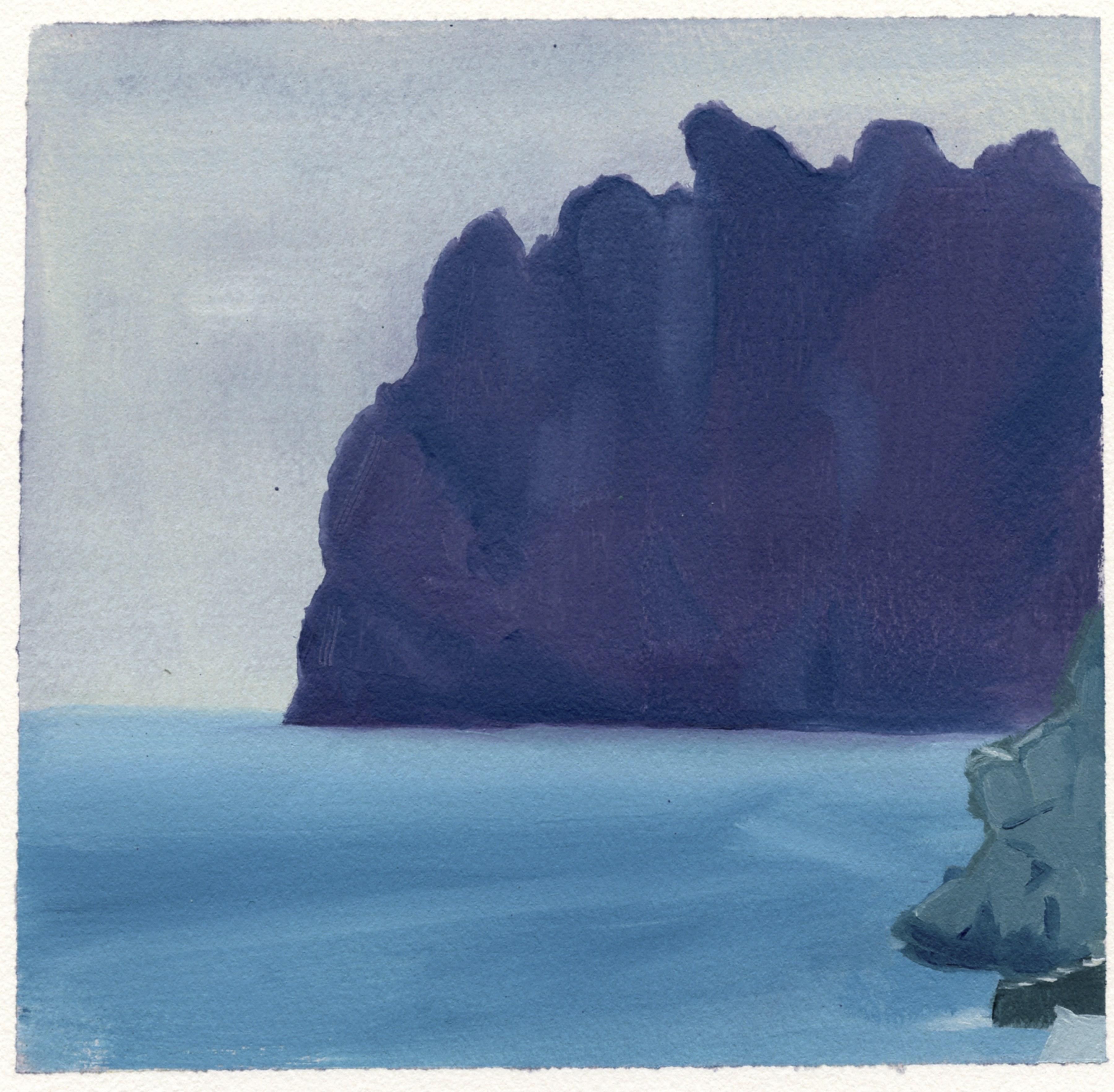
the hour turnsupside downin the glass,ash insteadof sand,cremainsthey’re called,bonemeal squeezedthrough a narrow waist.
barefoot, i walkthe razor edgetoday & tomorrowwhere world recedes—i am a smearof womanhaunting lost highways,white nightgown castgothic againstthe night,i becomeperiphery.
i havewaded throughnettles & copperheads,sliced my soulon the shale,tossed myselffrom cliffto roiling sea,dipped a toein boiling broth.
i strippedmy meat & spiritbare between attic& basement, betweenceiling & floor, betweenrafter & cellar,i crawl throughthe spaceswhere a housebreathes.
i am the worstkind of ghost,alive & lookingfor her lungs.
I would say I am like a filter feeder, sucking in, sorting, and spitting out sixty years of family home-fill. But in Gloucester, as I wait in line at Surfside Subs for Monday’s $13.99 buttery lobsta roll special, I realize the apt analogy is lobster. And, since I’ve grown in agency, this works better. Lobsters are sea-floor excavators, omnivore-rovers, bottom crawlers. Left-clawed like me. Crunch down hard. Crack shells. Delve the depths of the ocean’s shadows. Father was left-clawed too— before the ruler knocked it out of him— and likely soft, once. But his mother clipped his attuned parts. Lobsters have antennae, and fine cilia on their legs to sense everyone and everything around them in the murk. My mother’s journal says I was highly sensitive. Deep in her files I find articles on “How to parent the very shy child.” Before his death, my father smirked at the lobster rolls I brought for him. I didn’t realize— all those years that they offered the delicacy to guests come for sea-side visits— he didn’t eat it. He used to say, “When my grandfather was little, Lobster was called ‘poor man’s food.’ You could walk onto the beach littered with them and pick your supper.” It was about appearances. “Shameful” to feed these prehistoric creepers to your family more than once a week. Recently he added, “They gather to feed around the sewer pipe outlet in Sandy Bay. You want to eat that?” Lobsters have extra teeth in their bellies to crunch down all the hard sundries they ingest. I discover my mother’s letters to him as I clear the house. “Dearest, just because I wanted to see for myself if the chair fit behind the table when you said it wouldn’t, it doesn’t mean I don’t love you. I love you desperately. Please believe me and help me try to be the demure, quiet, non-argumentative, non-opinionated wife that you can love. I know I can do it with your help.” This takes leagues of teeth in my stomach to digest.
We trailed the realtor’s Buick. Turning the corner, an imposing white house with an irregularly peaked roofline and ill-suited black shutters dominated our view.
“Oh, it can’t be that one, can it?” my mother wondered aloud. The realtor pulled into the driveway under the branches of a heavy oak and we had our answer. Parking behind him, our family of six climbed out of the car, my little sister and me wiggling out through the rear of the station wagon.
“Now remember, it’s a fixer-upper,” the realtor said as we followed him up the steps to the back porch. “That’s why the price is right,” he added, winking at my dad. Keys rattled in his hand as he turned the lock and the door opened with a heave. A cavernous hallway led to a cockroach infested kitchen. Blinds drawn, you could tell every surface was coated with grease.
I shadowed my older brothers as we tiptoed through the kitchen and wandered the rest of the first floor: an immense parlor, its extravagant woodwork poached, pocket doors exhumed. An overbearing dining room, board and batten panels and a box-beam ceiling painted the same unpleasant mustard as the parlor. A dim hallway led to two bedrooms - one with dated 1970s paneling wrapping the walls, another with water-stained wallpaper peeling from the corners. Between them was a bathroom covered in rust spots and soap scum, swirls of fools gold in the Formica countertop.
The walls held so many stories, faint echoes whispering in empty rooms.
We heard our mother calling. Retracing our steps, the narrow servants’ staircase off the back hallway led us to the upstairs apartment. War era kitchen cupboards wore heavy coats of lead paint. Passing through a swinging door, we were met with the overpowering stench of dog piss. Wrinkling our noses, we stepped onto the soiled carpet. The walls were painted a flat, dingy white and the windows were curtained with cobwebs.
My oldest brother flipped a light switch. Nothing happened.
“The electricity’s been shut off since the fire,” the realtor explained, when he heard the familiar click. My mother let out an awkward laugh. “Come along, it’s through here,” he added.
In the next bedroom, swollen plaster hugged the ceiling, walls clouded by smoke damage and sooty fingerprints smeared on the woodwork. Debris littered the ruined hardwood floors.
We stood around awkwardly. “What started the fire?” my father finally asked.
“Oh, probably the boys’ Atari, or Nintendo, or whatever,” the realtor suggested, waving off the question. “Hard to get a straight story out of these people.” His tone implied these people were not worth discussing. He walked across the room and paused as he reached for another door handle. “Now, you girls be careful,” he warned, leaning down and looking us in the eyes. “There’s all sorts of nails and broken boards around here. Best not to touch anything.”
Through the next door was the Burned Room.
As if swallowed whole by The House, the fire’s damage was limited to these two rooms: one choked by smoke and drowned with water, the other chewed down to bones. Flames had licked up the walls, exposing layers of forgotten wallpaper. A skeleton of lath revealed behind the broken skin of plaster walls. Paint burnt black, peeled away from the surface of the Victorian woodwork. A broken Palladian window was the room’s only source of light.
Before we left town that day, we all knew The House was meant to be ours.
⁂
The shit-encrusted carpet was the first to go. Our brothers spent a day ripping it up and dragging it out to the second story balcony before pitching it over the edge and into a dumpster waiting on the lawn. The next day we mopped the newly exposed wood floors with vinegar, trying to kill the stench. The stains would have to wait until we could sand and refinish them.
We scrubbed everything, trying to erase the stories we didn’t want to read. Hardwoods, vinyl, linoleum that never came clean. Miles of sloppily painted woodwork. Acres of wavy glass windows. Our mother got down on her hands and knees, washing cracked porcelain tiles and bleaching stained clawfoot bathtubs. My sister and I wore our brothers’ old tube socks like hand puppets and wiped down the grungy baseboards and window sills. We played house.
Dad fiddled with fuses, wiring, light bulbs, and got the electricity working again. “Light! Let there be light in the kitchen,” we cheered. But with lights on and surfaces clean, the downstairs kitchen still felt oppressive. Mom cooked in the upstairs kitchen instead. To get there we passed through the shadowed back hall where the heaviest memories of The House seemed to hover, waiting for their retelling. Racing up the steep maids’ staircase, I refused to look at my reflection in the rippled window at the top: I didn’t want to see if something had followed me.
We painted nearly every room, a short-term fix until we could enact the long-term plan. Upstairs: pastels with an eggshell finish, trim in semi-gloss. Ivory was rolled over the mustard to brighten the main floor. The Victorian windows were too tall for store-bought curtains and custom draperies were too expensive, so our mother made her own. Sometimes she bought and repurposed twin bed sheets, two to a window and cheaper than buying fabric by the yard. Our bunk beds never had matching sheets, but now our windows did. I hoped she’d save two more sets for my sister and me.
⁂
The House was four stories. It had five porches, four staircases, and more than fifty windows. Missing glass in the attic left the floorboards speckled with pigeon shit and feathers, nests sheltered high in the Queen Anne rafters. Dad replaced the windows and the birds moved on. The eaves were so steep that flashlights couldn’t reach the peaks, leaving the edges of the attic always blurred, unknowable. I refused to venture up there alone.
The limestone cellar was a maze of low-ceilinged rooms I didn’t dare explore, but at the bottom of the stairs was an ancient furnace wrapped in asbestos, a massive plaster of paris cast that held together the bowels of the boiler. Throughout winter, radiators hissed with steam and pipes reverberated between the walls, The House telling bedtime stories through Morse code. I slept soundly. I breathed deeply.
We peeled back the rug in the small downstairs bedroom and discovered the original foyer’s parquet floor: squares, triangles, chevrons woven together, discolored from years spent decaying under cheap carpet. On the other side of a wall, the elegant front door had been demoted to use by the upstairs apartment. A once-stately entryway had been walled off to make a bedroom when the house was split in two. We wanted to live in it as if it were whole again, as if we were whole too.
Floral wallpaper withered at the corners: a pathetic facade. My oldest brother pointed a crowbar at a wall that never should have been there. “Let’s tear it down,” he dared our father.
“Should we wait and talk to Mom?” my other brother asked. But they weren’t listening.
Wielding a jigsaw, Dad gnawed an opening through the drywall: a doorway reconnecting the room to the home’s original grand entrance, to the staircase, to its purpose. Light poured in through the transom etched with 706. The oak staircase led up from there, and at the landing was a window seat framed with century-old leaded panes, an overgrown lilac bush pressed up against the glass.
“Girls,” he said, “go tell your mother she can finally enjoy her window seat.” We ran shrieking through the roughed-in doorway and bounded up the stairs together to find her at her sewing machine.
⁂
Upstairs in the Burned Room, crumbling plaster was torn away and scorched wood was discarded. Dad cut new glass to replace the busted window. Stripped to a skeleton, the room became our da Vinci’s cadaver. From there we studied the anatomy of The House: the width of the lath, the square heads of old nails, the joinery and dovetails of 1883. And it revealed its stories to us: when electricity was wired, where a door was added or removed. We learned to look for these scars everywhere else. We tried to suture back together the mangled, disfigured wounds of The House, as if healing it would do the same for us.
We stalked salvage yards for the remains of other homes, looking to replace the missing pieces of our own. The Burned Room held the last bit of original woodwork in The House, DNA we took along with us to find a match. Rosettes for the doorways and plinths at the baseboards. Different widths and heights of trim, varying by the original use of each room. We memorized the sequencing and noticed it everywhere, the way you recognize your parent’s profile or mannerisms in a distant relative. When we found near matches we bought as much as we could, never asking where it came from or why it wasn’t needed there anymore. Folding down the back seats of the station wagon, we stacked the woodwork and crawled in next to it for the drive home, our father plotting out which rooms he could reconstruct with these fragments.
In the evenings, Dad drafted new interior elevations, mechanical pencil on vellum with a t-square and clear acrylic triangle. His lines were level, plumb doorways impossible to recreate in reality. He never got around to framing the new opening in the foyer. We tracked drywall dust back and forth for months.
⁂
With so much to attend to, our attention slipped from room to room. Stories began in every corner but we started a new chapter before we finished the last one. Books opened at random, pages turned. We never even found the climax.
Along the main stairwell we steamed off decades of wallpaper. In sunlight, prismed glass threw rainbows on the tattered walls. At night the black window was a mirror and I watched the reflection of my parents balanced on ladders, naked lightbulbs swinging from extension cords. Strips of wallpaper fluttered down and I swept them into dust pans and heavy duty garbage bags, a century of stories torn to bits. I wanted to gather and read them all, but there wasn’t time to piece them together. Some stories aren’t meant to be passed on.
When we finished, the bare walls were cool to the touch. Our father smoothed plaster over the cracks we’d exposed in them, repairing fractures where he could, setting the bones. He was recording a story for someone else to read, but we never wrote the ending.
The House should have given up under the weight of it all, but it didn’t. My family couldn’t hold itself together, but The House is still standing.
Aunt Liz puts every leaf in the table,lays the pad, shakes out the flat sheet —black flowers opening on white.Dave is shedding, cigarette hanging,three songs folding into one anotherwhile he sets up a joke whose turnhe hears a beat before the rest of us.Liz makes a clatter in the kitchen,setting out what Joyce will cook.I climb for the long spoons and the ice bucket,stack records by the turntable.Then I take the list and the crisp Friday bills —capers, anchovies, tonic, cayenne —down the stairs, off the stoop, around two cornersto the Star Market under the Pru.Coming back, tonic knocking in the tote,I lose myself in that mid-century weatherof terraces and ramps. Jeans, Converse,trusted with the odds and ends.By dark the buzzer starts and doesn’t stop.The room fills and finds its tempo: when to listen,when to enter, how regard gets passedhand to hand like a dish down the table.I fill the water glasses. I am learning it by ear.I am keeping it for the year I’ll need it.The room takes one breath. I lift the needle,turn the record over, lower the arm. Take it from the top.
I am in the shed. The evening begins again.
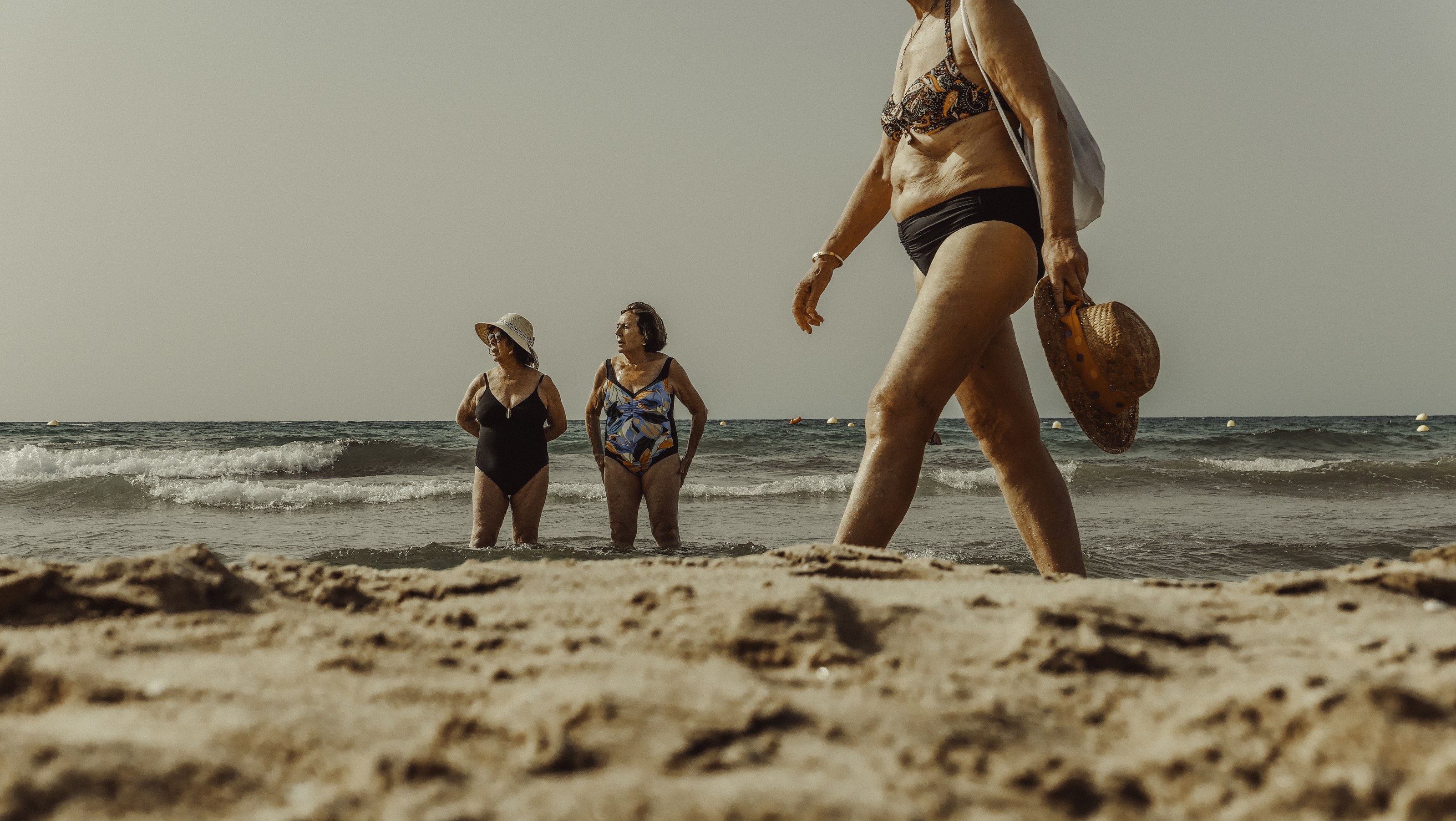
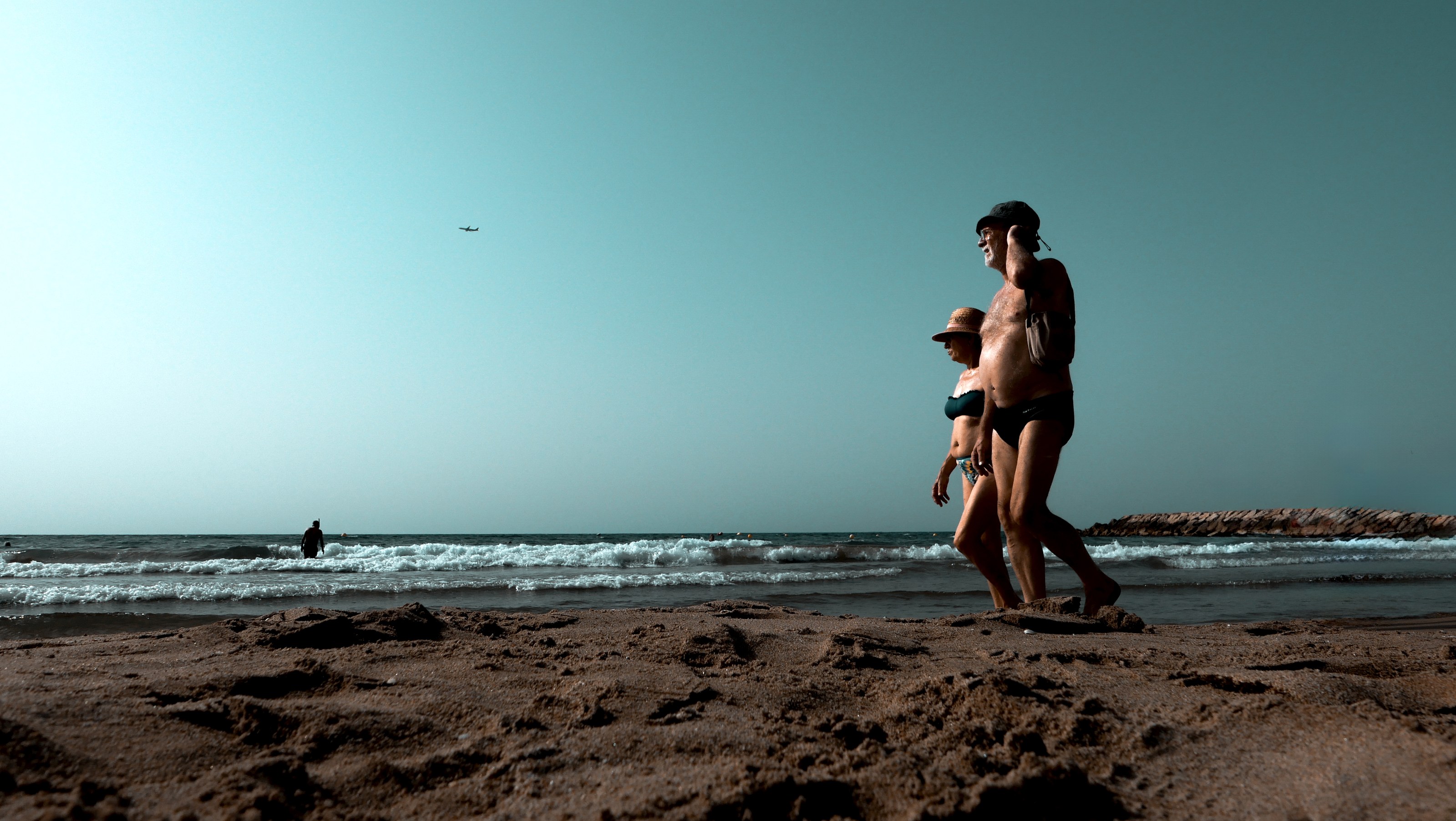
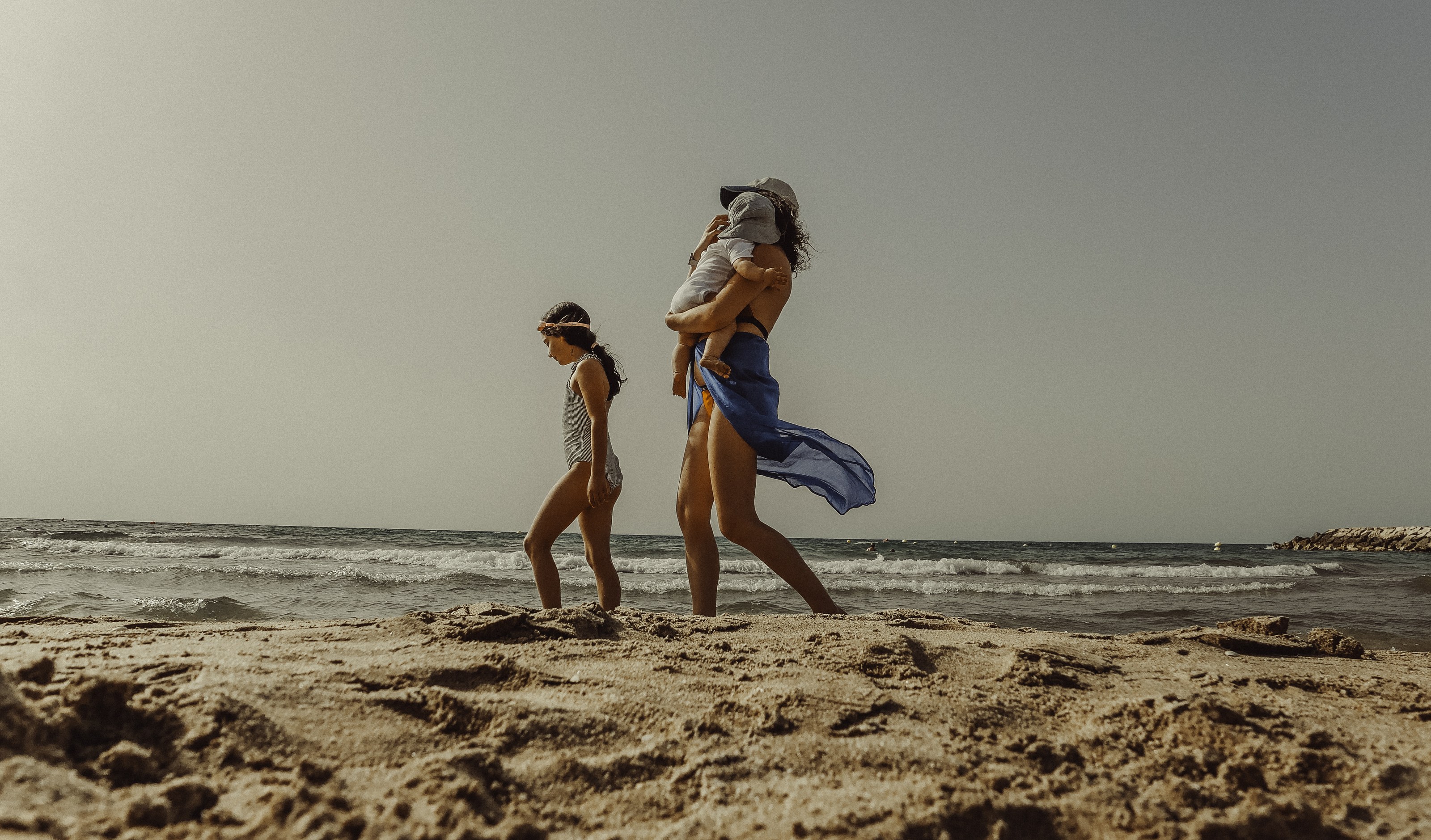
The nuns at St. William’s finally came up with a system they thought was fair. Instead of keeping kids strictly with their grade level, they started separating us by how we tested in Math and English. If you were ahead, you moved ahead. If you struggled, everybody found out about that too.
I was one of the smart kids in my class. In sixth grade I had a 95.2 average and a D-minus in conduct. I was smart, but I was no nun’s idea of a pleasure to have in class. I was mouthy, restless, difficult, funny, disruptive, and resistant to authority, which is exactly what Sister Seraphim wrote on my sixth-grade report card.
Then Kathleen ruined everything. She was two grades behind me, but after the testing they bumped her straight into my classes. Just like that, my little sister was sitting there with the older kids like she belonged there more than I did. Of course she did. That was Kathleen, a complete pain in my ass.
Kathleen could always read. She could read before I could, and I could read at four years old. The first class we had together was brutal. I was in seventh grade and she was in fifth, but not in English. We were both in eighth-grade reading, struggling through some Civil War novel called Across Five Aprils. On tests, I’d get a 92, she’d get a 95. Or I’d get a 95 and she’d get 100. Dammit.
When she was in 8th grade our nuns decided we’d have a teen choir complete with groovy songs like “Sons of God” led by our principal, Sister William Marie, aka Big Bill. Kathleen took guitar lessons in school and would proudly walk up the aisle of church with the guitar slung over her back like she was James fucking Taylor.
The summer I was going into my junior year at Bishop Timon, Kathleen missed a full scholarship to Mount Mercy by one spot. We were disappointed for her. My father decided that if they couldn’t afford Catholic high school for Kathleen, they shouldn’t pay for mine either. He told me that it wouldn’t be fair to her if they continued to pay for my tuition if they weren’t going to pay for hers. So, either I would have to transfer to West Seneca or pay the tuition myself.
“What? I’m fucking 15 years old. What the fuck? How the hell am I going to do that?”
Whatever means necessary. I did.
When Kathleen was a sophomore, my classmate Joe Metzger asked her to our senior prom.
I couldn’t even do prom without her being there.
At some family party years later, we were talking about that prom because I’d had an allergy attack that night. Kathleen remembered she had Allerest for me and that it was a holy day of obligation and we all skipped mass because we forgot it was Thursday.
I said, “Jesus Christ, Kathleen, how do you remember all that shit?” Meanwhile, I was trying to remember where I left my car keys.
At home, my mother would leave instructions before work about dinner. We had our usual things to cook – spaghetti and meatballs, meatloaf, chili, soup. Kathleen, theoretically, was in charge. She somehow managed to pawn the responsibility off on one of the younger kids while she disappeared into her room listening to Gene Pitney records that nobody else in America under seventy seemed to enjoy. A Town Without Pity? What the hell?
She liked sappy ass songs like, “Sylvia’s Mother says Sylvia’s busy, too busy to come to the phone.” Kathleen liked songs that sounded like they were playing while somebody got a Dear John letter at a train station.
You know how many times we went to McDonalds? Once a year. My mom would wake us up at about 6 in the morning on the 3rd of July and pile all of six us kids in her ’65 Rambler and go to the U-PICK for strawberries. She had precise instructions. Make sure they’re all ripe. No white in them at all. Don’t pick the big ones, the little ones fill the baskets better. Make sure you pile them high. No flat baskets. We’d pick all morning. Then we’d go to McDonalds. After McDonalds, we’d go process them into jam or cut up and filled in freezer bags for pies and strawberry shortcake.
One year, Kathleen somehow managed to pass out in the car after attempting to pick in the sun for a couple of hours and got excused from future trips permanently.
It was one of the great strategic victories in family history.
Cooking wasn’t Kathleen’s thing. But it was a family thing. Nobody had the money to have anything catered. Weddings, funerals, graduations, big parties—we cooked. German potato salad. Pineapple upside-down cake. Shrimp fried rice. Roasts. And for the relish tray, my mom’s homemade dill pickles were the only thing that mattered.
Kathleen brought the napkins.
She wasn’t shy. She was quiet. The rest of us were loud. Loud opinions. Loud arguments. Loud laughter. In a room full of us kids, the person telling the joke was usually the one laughing hardest. Kathleen would sit there with her arms folded across her stomach while the rest of us carried on. Then this smile would slowly spread across her face and she’d start silently shaking before finally letting out this little gasp when she couldn’t hold it in anymore.
Her daughters noticed it first. She couldn’t remember words like apple. Her checkup was devastating. It was known as Pick’s Disease or early onset dementia. I had an inkling of what was in store because I had a high school classmate die of the same disease – he choked to death on a ham sandwich because he forgot how to swallow.
Now my sister had it.
She beat me on every test. She could read before she could walk. She remembered a Thursday holy day of obligation from forty years ago when I couldn’t find my own car keys. And the disease took her words first. Not her memory. Her words.
I wondered about some of the instances of our recent past, for example, her arguing with my mom about whether to take leftovers home. She was supposed to lay out my mom’s medications while my mother was dealing with dementia as well. Sometimes they’d been forgotten. She was Alma’s primary caregiver and needed care herself. And yes, I was mad at her. How could you forget mom’s medication?
It was not a rapid decline. It was slow and it was noticeable. She knew who her daughters were, knew her grandchildren, but wasn’t paying attention to one of them getting too close to the pool.
I went for a visit in the summer and helped her get a plate together. I had to ask yes/no questions. Chicken? Yes. BBQ sauce? No. Salad? Yes. Corn? Yes. Macaroni Salad? No. Coke? Yes. You get the drift.
I got newfound respect for my brother-in-law, the same guy who took her to prom almost 40 years earlier. He took care of her and wouldn’t leave her side. I don’t know where he found the strength to do what he did.
Kathleen couldn’t say a word, but I saw it in her eyes anyway — that same look she always had, like she knew something the rest of us didn’t.
At the funeral, our sister delivered the most beautiful eulogy I’d ever heard.
I made the fried rice.
❧
The word comes from the body.
Bolla. Old English. Proto-Germanic bul-, from the Indo-European root bhel — to blow, to swell. The same root that gives us belly. The same root that gives us ball, billow, boulder, full. The bowl is not a separate invention from the body’s hunger. The bowl is the body’s hunger given a shape outside the body. Before there was a bowl, the hands cupped and the water ran through. Before there was a bowl, the food could only be held as long as the arms could carry it. The bowl is what happens when the body looks at its own need and says: this deserves a container.
The belly and the bowl. One word, two objects, twenty thousand years of the same relationship: something hollow, something curved, something open at the top, waiting.
❧
The oldest known pottery was made in a cave in Jiangxi Province, southern China, during the last glacial maximum. Twenty thousand years ago. The northern world was under ice. The food was scarce. The people who made this pottery were not farmers — agriculture was ten thousand years away. They were mobile foragers, moving through a world that was actively refusing them, stopping in a limestone cave to make something from clay and fire.
The sherds bear scorch marks. They were used for cooking.
These were not decorative objects. They were not ceremonial. They were the answer to the cold. They were the shape that held what little there was more completely than the hands alone could hold it.
The bowl is not the child of abundance. The bowl is the child of the ice age. It was made first by people who had the least, in the hardest season the earth had recently offered, and it has not fundamentally changed since. The wheel changed. The spear changed. Language changed beyond recognition. The bowl remained: concave interior, rising edge, the space at the center that gravity fills. It was right the first time. It has been right every time since.
The same form appears, independently, in China, in Ancient Greece, in Crete, in pre-Columbian Peru, in the cultures of the Pacific Northwest and the valleys of the Nile and the plains of the Indus. No one taught them all. The shape is not transmitted. The shape is discovered, again and again, because the shape is the answer to a question that every human body asks. What converges is not culture. What converges is need.
❧
The PIE root bhel also gives us full. This is the fact that the piece must sit with.
The bowl is fullness seeking its form. Before the bowl, fullness was abstract — a condition, a hope, a temporary state of the hands. The bowl makes fullness possible to hold, to carry, to return to. The bowl is the argument that fullness can be sustained, can be brought from one place to another, can be offered.
And yet the bowl, when empty, is still a bowl. The empty bowl is not a failed bowl. The empty bowl is a bowl in its most essential state: curved, waiting, ready. This is what the bowl knows that the plate does not know. The plate, when empty, is simply a surface. The bowl, when empty, is still holding something — the shape of what it expects to receive.
You cannot make a bowl by adding material. You can only make a bowl by shaping a hollow, by pressing inward, by creating an absence that has a specific form. The bowl is defined by what is not there. The Japanese call this ma — the empty space that is not absence but presence, the silence that is not the lack of sound but the condition that makes sound meaningful. The emptiness of the bowl is not what is left when the food is gone. The emptiness of the bowl is the bowl’s primary gift.
❧
Before the word existed, before the clay was fired, there was the gesture.
The infant opens its mouth. The hands bring something close. The curve of the spoon, the lip of the cup, the rounded edge of whatever vessel holds what the child needs and cannot yet reach for alone. This is the first bowl: the one that appears at the beginning of a life, held by someone else, brought to the lips of someone who cannot yet hold it for themselves.
We do not remember this. The body does. The body knows the curve that comes toward it in the dark, knows the warmth that precedes the warmth of what is in it, knows the particular angle at which the world offers itself at the very beginning.
And at the end — the hands that can no longer close reliably around anything, the arms that have forgotten how to lift, the mouth that must be brought to what it needs rather than reaching for it — at the end, the bowl appears again. Someone holds it. Someone brings it close. The gesture is the same gesture. The care moves in the same direction. The dependency runs the same way.
The bowl is the first vessel from which we eat and the last from which we are fed. In between, we hold it ourselves, fill it ourselves, bring it to our own lips ten thousand times and do not think about what it is. We use it and set it down and wash it and use it again. We reach for it in the dark of an ordinary morning without naming what we are reaching for.
The bowl is so present it has become invisible. This is what the most necessary things do.
❧
Every culture uses the bowl to feed the dead as well as the living.
In Ancient Greece, the phiale — a shallow bowl with an indentation at its center, the omphalos, the belly-button, the place where the hand rests to hold it steady. The vessel of offering has a navel. The bowl designed for the dead carries at its center the mark of the body’s original connection to what sustained it. The dead received wine, honey, water, oil, poured from the phiale onto the altar, into the earth, toward whatever could not be seen but was understood to require sustenance.
In Egypt, offering basins were standard tomb equipment from the Old Kingdom onward — 2625 BCE. The dead required food and drink in the afterlife. The bowl was placed in the tomb. The architecture of Roman tombs included libation tubes, buried with one end inside the tomb, so the living could ferry liquid to the dead indefinitely. The bowl was the conduit. The dead could be fed.
In Lower Nubia, as recently as the 1920s, women went every Friday to the graves of their relatives and poured water into a red bowl set at the head of the grave. The gesture was the same gesture. The care moved in the same direction.
The bowl does not distinguish between the living and the dead. It holds for both. It is the vessel of the meal and the vessel of the offering, the ordinary and the sacred, the daily and the final. The same object, the same curve, the same emptiness waiting.
The ritual bowl stands at every threshold the body crosses. It is at the beginning and the end. It is at the altar and the table. It is in the tomb and in the kitchen. The bowl is the form that the threshold takes when what passes through it is liquid, when what is offered cannot be held in the hands alone, when the gift requires a container, and when the ordinary thing it holds becomes, for a moment, more than itself.
❧
The begging bowl.
The Buddhist monk carries it. The rule is absolute: you cannot fill it yourself. You present the emptiness and walk. What goes in is given freely, and you receive it without preference, without rejection, without negotiation. You do not choose what enters. You hold the hollow open and you wait.
This is not diminishment. This is discipline. The begging bowl trains the one who carries it into a specific relationship with the world: open, dependent, patient, grateful. The monk does not beg. The monk offers the world the opportunity to give. The bowl is the instrument of that offering. It is the form that makes asking sacred rather than shameful.
Every bowl, before it is filled, is a begging bowl. The infant knows this practice without having learned it. The dying return to it without choosing to. In between, most of us forget. We fill the bowl ourselves. We forget that the bowl was designed for receiving, not for holding what we have accumulated. We forget that the bowl’s most honest position is empty, extended toward whatever is larger than we are.
❧
The pottery bowl is nearer the truth of what is in it.
Not because it is more beautiful, though it often is. Not because it is more ancient, though it often is that too. Because the pottery bowl is made from the same substance as what goes into it. Clay from the earth. The earth’s own products — grain, fruit, the bodies of animals — returned to a vessel made of earth. The bowl is the world in dialogue with itself.
And because pottery is permeable. Before the glaze, a pottery bowl absorbs. Over time, its interior darkens. It takes on the color, the flavor, the history of what it has held. A well-used pottery bowl carries in its walls the record of every meal that passed through it. The soup of a particular winter. The grain of a particular harvest. The oil of a particular season. This is what pottery does that no other material does: it remembers.
The bowl of glass holds and releases without record. The bowl of metal holds and releases without record. The pottery bowl holds and is marked by what it held. The object and its history become inseparable. The bowl becomes more fully itself with use. The interior deepens. The walls darken. The bowl that has served a life is unrecognizable from the bowl that left the kiln — and it is more itself for the difference.
Kintsugi. The Japanese practice of repairing broken pottery with gold lacquer. The crack is not hidden. The crack is made the most visible thing, traced in gold, honored. The bowl that has been broken and repaired is more fully itself than the bowl that has not. The fault line is the bowl’s autobiography. The repair is not restoration. It is revelation. The bowl is saying: I have been here. I have been broken. I have been put back together. I am still a bowl. I am more a bowl than I have ever been.
❧
The bowl is the first vessel from which we eat.
Someone holds it. It comes toward us in the early dark of a life we have not yet learned to navigate. We do not know yet that we are hungry. We only know the curve that approaches, the warmth, the offering.
❧
The bowl is the last vessel from which we are fed.
Someone holds it. It comes toward us in the late dark of a life we are no longer navigating alone. We have forgotten, or nearly forgotten, how to hold it ourselves. We are returned to the original dependency, the original gesture, the original relationship between the one who holds and the one who receives.
❧
In between: twenty thousand years of the same shape. The ice age forager in the cave in Jiangxi. The Greek woman pouring wine for the gods. The Buddhist monk walking the early morning street with the empty bowl extended. The woman in Nubia setting the red bowl at the head of the grave every Friday. The child in the kitchen who will not remember this, reaching toward the bowl held by hands they trust completely. The old man who will not recover from this, receiving from the bowl held by hands he has trusted for decades.
The hands that hold it at the beginning and the hands that hold it at the end are different hands. The bowl does not notice. It holds for both. It was made for both, twenty thousand years ago in a cave during the ice, by people who understood — before they had language for it — that the body needs a container for its need, and that the container must be open, and that the opening must face upward, toward whatever might come.
The bowl is still open.
It has always been open.
❧
This is all it has ever needed to be.
❧
“You always knew you would never do better than this.”
The proclamation seemed directed at the professionally dressed woman in front of me, confidently placing one pristine designer pump after another up the courthouse steps. She was a superior court judge. I was her court reporter.
Neither of us had to check the source. We both knew it was Susan; aka psychic Sue. A wiry middle-aged woman with short hair bleached almost white and an unflinching gaze from strangely cloudy blue eyes. It was uncomfortable to hold that gaze, so nobody did. Susan had been a fixture around the courthouse entrance for as long as I could remember. She sometimes yelled at the objects of her clairvoyance. Mostly she just projected her voice like an oracle. As with all unhoused people encountered on the outskirts of the courthouse, we ignored her. If we didn’t engage, or even look in her direction, she would stay calm and we could continue with our guiltless day. Court security didn’t try to muscle her away. No one complained about her outbursts. Maybe because we knew she was always right.
This time I saw my judge’s head turn a fraction to her left, to where Susan was standing on the lawn next to the steps. It was the slightest involuntary response. An acknowledgment.
⁂
The felony courtroom was a sort of crucible within a crucible for me. In this setting humanity compressed into life-altering moments, as I fell into a personal daily trial of holding concentration while witnessing desperate stories, manipulative stories, heartbreaking stories. And very rarely, psychopathic stories. I had become good at concentrating on the words, not the stories. A certain numbness is necessary.
To someone first experiencing the microcosm of one criminal courtroom, it might feel like a graphic novel; as simple as defenders versus prosecutors, champions fighting to protect the subjects of their respective realms, each champion believing in the righteousness of their cause. This is where the bold primary colors of a graphic novel bleed out to gray scale. In this gray scale, rights and consequences are sketched frame by frame—a perpetual narrative with no bright superhero, no sneering villain.
In this gray scale, I was invisible. Once court was in session, no one seemed to notice me sitting at my steno machine, playing a soundless piano.
I was the keeper of the record. I liked the faithful capturing of words. I took this seriously, like a mythical figure assigned a heroic task. Like Sisyphus. I craved the hours of concentration, the respite from my own worries, case after case, life after life.
At the end of each verbatim day, I walked out of the courtroom unaware of an incremental disintegration of my own vocabulary, my ability to describe a sense of loss, of something receding.
⁂
It was a glorious spring Friday, making it hard to let go of the soft morning light, walk through the courthouse doors, enter the institutional fluorescence, enter the unpredictability of the crucible. Fridays were always busy in felonyland.
“Your Honor, I have to declare a doubt in Mr. Wilcox’s case. I don’t believe he’s competent to assist me in his defense.”
The public defender had been speaking to her client in the custody box, trying to calm his agitation while explaining release was unlikely. The agitation had only intensified.
“She shouldn’t be saying that, Your Honor. I understand everything.”
Mr. Wilcox spoke quickly, through gritted teeth. I noticed a twitch in his jaw.
“All right. And you feel you’re able to participate and assist your attorney in your defense through all proceedings, possibly up to and including trial?”
“Of course. I went to law school. Just never graduated because I was recruited by the CIA and sent to Baghdad. I’m on leave to deal with these fucking legal issues, but the government wants me back on a mission to—well, it’s classified, but it involves my expertise in Arabic and my—”
“That’s okay, Mr. Wilcox, I don’t need the details.”
The public defender gave the judge a resigned look as the judge made the orders she was required to make under the applicable Penal Code section. This meant Mr. Wilcox would be transported to a psychiatric facility until his mental competence was deemed restored and he could be returned to the criminal justice system to face charges.
The bailiff called another sheriff’s deputy to remove Mr. Wilcox from the courtroom. Mr. Wilcox’s eyes widened, his jaw twitched more violently. But he followed the deputy’s commands and left the courtroom, shackles dragging and clanging with every awkward step.
I no longer tense at the potential for altercation in these circumstances. A certain numbness is necessary.
The defendant in the next case had been arrested for arson, setting fire to a trash can outside of a downtown bank sometime around 1 a.m. Unhoused and wandering the streets, he wanted a light in the dark. It made sense to set the trash on fire with his cigarette lighter. The city police found him standing perfectly still over the trash can, watching the flames flash and leap.
The public defender argued for release, explaining his client had been recently diagnosed with bipolar disorder, stabilized with medication. Believing the medication had cured the condition, he’d stopped taking it. The public defender emphasized that his client was willing to resume medication and would no longer be a public safety risk but could not say this client lacked the mental competence to assist in his defense.
He seemed hardly more than a boy. His perfect bone structure and thick chestnut hair were beautiful. His hazel eyes shining.
“I promise I’ll take the meds. I just thought it was a mistake, them thinking I’m crazy. I’m only 22 years old. I’m in a band. I left my dog at a friend’s place. I have to go back and get her.”
His voice was soft, incredulous. Genuine disbelief in his eyes. I was surprised to feel my throat tighten. This hadn’t happened in a very long time. I closed my eyes for a moment, steadied myself.
Arson is a serious charge. The judge denied release, made the appropriate orders, and set the next court date. The beautiful young man fell silent and was escorted from the courtroom.
Several other cases were called. I reported diligently, muscle memory moving my hands on the keyboard.
Now only one defendant remained in the custody box, but the courtroom was still half full with audience members—people from the community interested in a high-profile murder case, some local media reporters.
She had been arrested for suffocating her toddler because voices were telling her he was the devil. There had been a preliminary hearing a few weeks earlier, which I had reported. It was the only time I’d seen a law enforcement officer’s eyes well with tears on the witness stand. He’d been the one to find the child’s body.
The defendant refused to stand when her case was called. More accurately, she just stayed seated, eyes fixed straight ahead, cuffed hands limp in her lap. I glanced quickly into her face and felt the blankness. Maybe the jail doctors had medicated her. A certain numbness is necessary.
Legal arguments ensued—debates over next steps, retaining medical experts, whether a trial date should be set.
My hands went still on the keys. Words were flying through the air but I was no longer grounding them.
Someone entered the courtroom, swinging the door extra wide, allowing a glimpse through floor-to-ceiling windows in the outer hallway—sunlight on plum trees so ecstatic with blossoms I only saw a blur of saturated pink.
I stood up and started walking down the aisle, through the audience, toward the door. It wasn’t until my hand touched the brass bar to push the door open that anyone noticed. I heard my judge’s voice, reedy with alarm.
“Ms. Remy, where are you going? We’re in the middle of a case.”
I pushed the door open, walked through the hallway, past doorways to other courtrooms and public defenders intently talking with out-of-custody clients. No one looked at me until I was through the outer courthouse doors and down the steps.
This is when I felt her gaze. I turned to meet those cloudy blue eyes. I’d never seen her smile, but she smiled at me before she spoke. It was a kind smile. It seemed kind to me.
“This is a big day for you. Very big day.”
i think i need to swallow dirt fly face first into brittle grass smash in my teeth smile and dig i used to run for miles climb to turquoise waterfalls set my body on fire i used to read past midnight scribble sagas slip far inside return with lungs clenched in my fist weave words between my ribs and wonder sometime in the past decade i was robbed of all my focus combusted under the weight of dripping summers and lack of touch of hot wired glass that knows what i think before i do my endurance eroded by unanswered prayers now i lay me down to sleep dear lord how do i lasso a ghost? bury a sign behind my skull so clear i cannot miss it slam me back into myself i press the heels of my palms in my eyes fall through burnt wine and white lightning veins nausea-bitten dreamscape open up rinsed fever i wonder inching closer to paradise
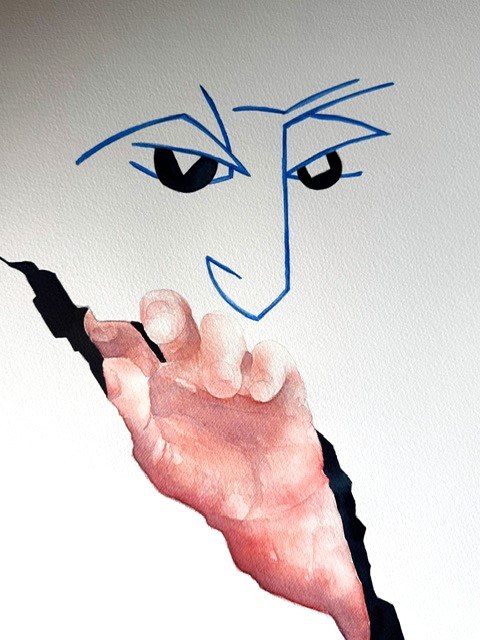
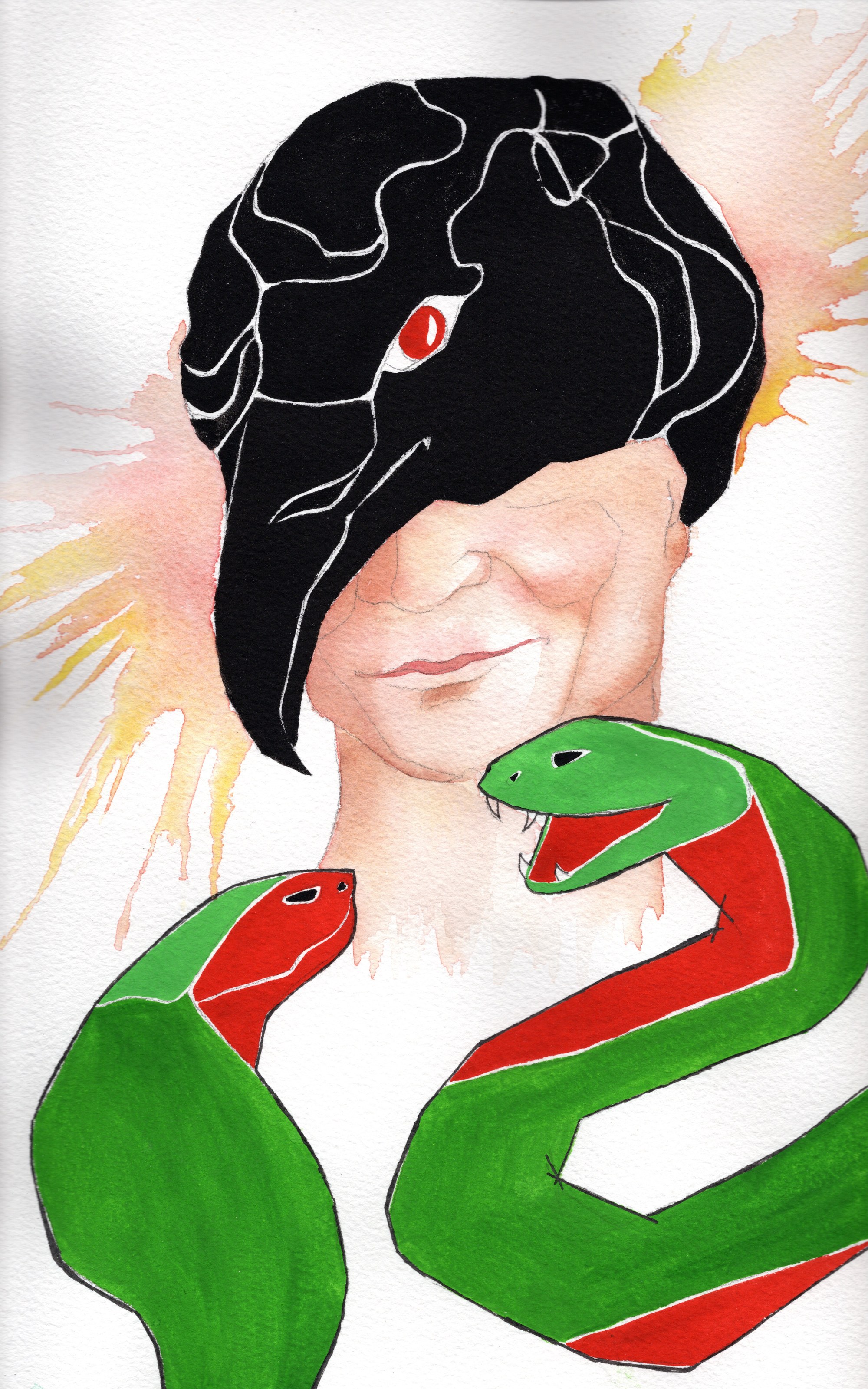
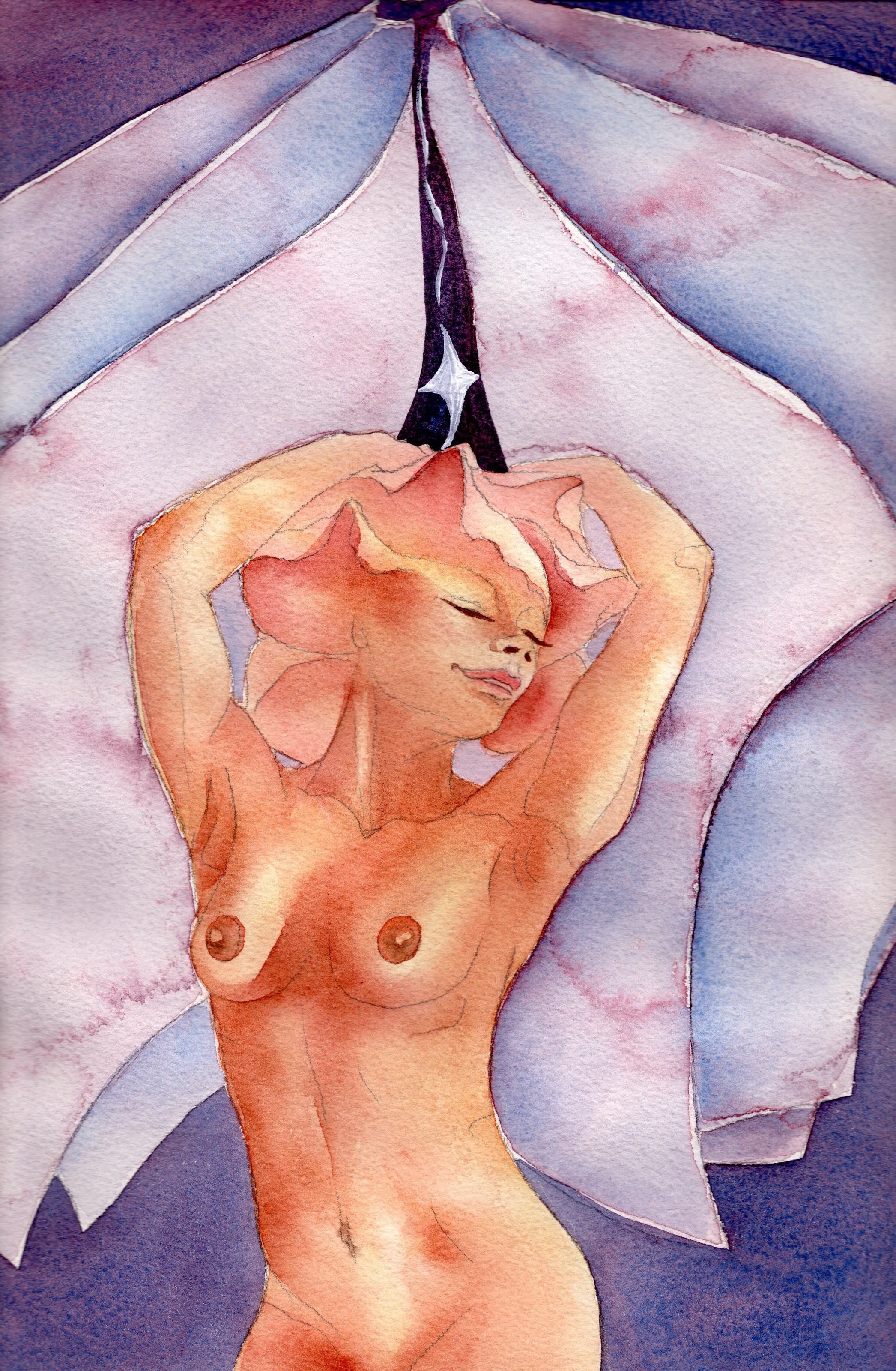
Joseph Cornell’s Tilly Losch
In fifth grade she floated away inher doll’s teacup over snow crestedmountains, red ball and string inhand, her hair curled too tight tovibrate in the wind; a ballerina, hermother told her not to touch me orshe would turn to mud, after schoolwe ran between orchards, Abuelopicked oranges as Abuela rolledpillows of tortillas for our arroz yfrijoles.That summer we snuck out to catchfireflies and race dirt roads, barefeet falling over giggles,caterpillars crawled into our armsand training bras as her fathercrawled into her bed like the prairiedogs that dotted Tio’s front yard,before she transferred to theprotestant school where the pastorwould measure her skirt with hisfingers and she started smokingbehind the water tower, tellingeveryone my parents were illegalsand I an anchor baby; my paperenemy.Was my best friend until she calledme a wetback; porcelain cracked,her centipede legs popped fromunder a blue skirt, repeated hate sheheard her brother say when hecame home smelling of tequilafrom the ranchero bar becausea brown skinned girl turned himdown.
PCPPhencyclidinea.k.a. angel dust.
From my corner of the room,one eye on the world, the otheron whatever book held half my attention
I only saw PCP in liquid form.I watched my father dip Sherman’s Cigaretellosinto small bottles of dust, angel dust.
I watched a lot and said littlein those days.He did not call them Sherman’s Cigaretellos.
He called them Sherm’s, as if theywere longtime friends.Everyone and everything had a nickname.
He’d say, Ol’ Pal Ovaltine, run to the storeand pick me up some Sherm’s.At that, I dropped my book before hethreatened to burn it for not being fast enough.
Ten-year-olds could buy cigarettesor cigaretellos with a note frommom or dad in 1979, so I ran with my note
to the store around the block, on the corner,and picked up Sherm’sin the thin cardboard box with a red oval.
I ran my long, thin, brown bodyback to the housewith the long, thin, brown cigaretellos,
gave them to Floyd andreturned to my corner of the roomand propped my book
just high enough to see everything.After the Sherman’s were dippedinto the liquid gold, Floyd smoked and smoked,
and smoked. The house filled with a lazyfog that felt heavy like gasoline.Yuself swore he saw ghosts
in the smoke, but I never saw them.Though I think I used to be smarter.I know I used to be steadier.
My hands did not shake like they do now.They have since I was eleven.Floyd loved to smoke with his best friend
Billy L. One day Billy L. smoked Sherm’sand thought he was Superman.He jumped off a high roof and survived.
Floyd said smoking Sherm’smakes you feel like a god.I am guessing it was that god feeling
he had the day he hit his angel Billy L.on the back of the head with a rockand threw him in the river.
Billy L. did not survive.
His name was Armand Morris. He lived on Park Avenue and 64th Street. Like many gentlemen of his age, he had never married. Yet he, as he would tell you, still lived a vibrant life. He would dine at Sushi Gari at 6pm every evening, ordering a single tuna hand roll. He did not need much to eat. The years spent smoking in quiet repose had limited his appetite. In truth, all he ever needed was a small bite of meat, something light, and then perhaps a cookie. He had a great affection for cookies. Indeed, most of his meals, coffees, and detachments were spent with a cookie. Never a great big one. That would be gauche. Rather, he preferred a crumpet, something that could be held comfortably between two fingers. A splash of perfection in the life of a man who believed that such symbols of transcendence had long since faded from view. This was, of course, not to say that Mr. Morris was an unhappy man. Quite the contrary. One might argue that among the men of his age, among the men of his disposition, he was quite pleased, amused even, by his existence. There were times, as one can imagine, when the creep of something more terrible might seep in, but those times were few and far between.
He began each morning with a single cup of coffee. He would rise, place the beans he had specially purchased in Mexico in his grinder, and make his coffee with grace. While he had never truly enjoyed the beans or the coffee that they produced, he refused to migrate to some other form of caffeine. There was a woman once, a Baroness. Her name was Sofia. She began every morning with a cup of the very same coffee. She had told him that her family had been using these beans since the Spanish first landed in Teotihuacan. In the moments between sips, he would be in that great hall again. Great, perhaps, might not be the best word. It was a hall that had surely been great at one point in time. Clearly, the hall had been passed from generation to generation with lesser and lesser degrees of care. Now he had arrived like the specter of death, as Sofia called him, to finish the job. He had come to collect an original draft of the composer, Constantin Zurvan’s sheet music. As she handed him the locked briefcase, she laughed to herself. This was the last of her father’s belongings to be sold. Her father had been a respected collector of signatures, she said, and within his collection, there were few works he prized more than the scraps of creation. The first words that Goethe ever wrote, a trace of the first chapter of Swann— it was the articulation of greatness that fascinated him. Mr. Morris took the case from her, providing her with the price his superiors had offered. She offered him another coffee. She thought him charming. Elegant. Not like the other vultures who had stalked the great hall. The crumbling grandness became a museum soon after.
Mr. Morris would then place the grinder, the beans, and his cup back in the cabinet. He would shed the night shirt that he favored and begin to dress. Mother had always started with her socks. She said it was the mark of a traveler. And so he did the same. First, argyle socks. Then the drawers. The pants. The blue striped shirt that Vincent had bought him in Paris. The cufflinks. The tie – somatic knot, as expected. Finally, the jacket. Florian had told him that they no longer needed to wear such things to the office. Of course, said Mr. Morris. However, if it was all the same to Florian, perhaps he would continue. The clients appreciated the old world. After all, they were its last denizens.
Mr. Morris would examine his apartment. No spots. The statues were in their places. The Herodotus remained at his bedside. The phone numbers that he would never call stood beside the fridge, reminders for a more foolish man. He would leave the apartment at approximately 7:30 am.
Walking to Park Avenue, he would locate a cab. It was not a far drive, however, Mr. Morris took great pleasure riding in cabs. He had thought for so long that he would be relegated to watching others get inside such conveyances, so any sort of jaunt in a taxi was a lark. Mr. Morris would never speak to the driver. The driver was, Mr. Morris thought, someone who respected himself and his work enough to treat the cab as the sacred place it was. He would exit the vehicle at 7:55 am. Paying in small bills, he would thank the cab driver for his kindness and send the gentleman on his way. He would then have his first cigarette of the day. Five minutes. That’s all it took, but in his own way, he could not help but feel that he was with Vincent again. He was not an unsentimental man. All true gentlemen have a drop of sentiment to them. But he did not weep, for Mr. Morris did not believe in dramatics. Instead, a slight look, a small twinge, was the most one could get out of Mr. Morris. After his brief indulgence, Mr. Morris would walk into the auction house.
He had made it a personal habit to always be a minute and a half late. His predecessor told Mr. Morris that it was not the business of the man with the eye to be on time; one always had to make one’s value clear. He was the talent. Others might come and go, but the eye— the eye cannot be replaced. Mr. Morris liked such a sentiment, took pride in it. He would remind himself of it. Only when necessary, of course… even if he had needed such a reminder more and more often lately.
He had tried to explain the value of the eye to Florian, but Florian had very little respect for the lessons of Mr. Morris’ predecessor. Mr. Morris had never understood why someone with such a beautiful knowledge of the Greeks, of their histories, would ever be so willfully ignorant. In his more generous moods, he chalked it up to the follies of youth— whatever that might mean.
At 8:05 am, he would arrive at his desk and inspect his mail. He enjoyed the cluttered nature of his desk. A cluttered desk was the sign of a man who was in demand. He would look over the latest acquisitions. He perused the catalogs. He poured over the provenance of his acquisitions with the eye of a great master. The way only a great master can. There had been a time when he was invited to a museum only days away from the debut of the auction house’s newest statue: The Koros of Hecate. A friend of his had sponsored the room, her name engraved into the wall. It was to be quite the event. But he had seen the Koros for what it was immediately. The eye had served him well on that day. She even took him out to dinner to thank him. It was the least she could do, as without Mr. Morris her new room would have been the laughingstock of Newport. She asked him how he could spot the fake so quickly. Fake is such an inelegant word, he said. There was not a singular tipoff. Indeed, it was a feeling, a sensation that the symmetry of the koros had been too perfect. He smiled as he remembered this. It was a story to dine out on. Not that he ever had. He didn’t believe he had ever told anyone. Florian, maybe. In those days, Florian would hear each and every detail. He wanted to.
Mr. Morris then would make his final comments on the latest acquisitions. He placed his memos in a clean manila envelope. He would always remark that he needed to replenish his stories, but they never seemed to run out. He would hurry to Florian’s office to deliver the memos. He had much to do.
He would knock on the door. Florian would not be there. He’s flying in from London. Mr. Morris would never allow himself to look out Florian’s window. He knew full well that having such a view did not make the work any better. In fact, he often remarked that the higher one was promoted, the worse one’s job performance became. Mostly, as he so often said, because the higher-ups spent far too much time at their windows. Mr. Morris preferred the archives. They contained all of the antiquities that they were to sell. The air in such a place was still. Pleasantly still, he thought. There, he would walk through the corridors, inspecting his bounty, examining each prize and purchase. For him, they were all in the Morris collection. Of course, his collection was rather unorthodox, it was spread from home to home, and he owned no such antiquities himself, but, for Mr. Morris, to have given them a home made them his.
At 11:00am precisely, he would return to his desk, gather his things and move to the auction room. They were selling a piece of his: A lioness from Greece. The bidding would soon reach outrageous numbers with only a German and a French bidder remaining. A smaller Alsace-Lorraine, he thought. One of the many little jokes he would tell himself throughout the day. It was rather romantic, he thought, that such a tiny artifact inspired so much heartache in men. There was no telling how high the price would rise. However, it never really mattered to Mr. Morris. High enough was all he desired.
After the completion of the auction, he would go to lunch. As he always did, he would travel to Marino’s. The restaurant was a small one. An intimate place. The staff had known Vincent but had never dared to learn Mr. Morris’ name. Still, no reservations were needed. The table by the corner would remain empty until Mr. Morris arrived. He would have a chicken milanese, a glass of red wine, and a cookie. A biscotti. Almonds kept to a minimum. He did not think of anything when taking his lunch. He preferred the silence.
Returning to his office, he would organize his next trip. For years, he had had his pick of destinations. This was no longer the case. Florian did not understand the purpose of an in-person meeting. A wire transfer spoke for itself. Unfortunate, Mr. Morris thought.
He would go through his files, perusing all of his potential clients. He would find the client closest to Athens. He had spent a few summers there, doing little digs and expeditions in between his adventures on the beach. He had even gotten the chance to join the late master Julius Norwich on one of his famous excavations. Indeed, Mr. Morris was Norwich’s star pupil. Norwich had never told him as much, but Mr. Morris was the only one of the great man’s students to have ever received one of his Christmas compositions.
The trip excited him. He was delighted by the possibility of seeing the Acropolis again. He favored the Greek Orthodox cathedrals of Athens, but there was a certain magic to the temple on the hill. He valued travel. It was how a man expanded his view of the world. The great writers had all traveled. Some might say that their books captured everything. For a time, Mr. Morris thought the same. Yet, seeing these places with his own two eyes had convinced him that there was something that no writer could capture, something hidden— a presence, a concreteness that no simulacrum could ever match. He would be honored to go on such a trip, even if it was to see a German billionaire who was only attempting to resell a painting.
At 5:00pm, Mr. Morris would pack his things. Every pen, every paper, every picture, they would all return from whence they came. He would open his desk drawer, take a cookie from the tin that his sister had sent him many months ago, and prepare to leave.
As he left his building, he would encounter Florian’s secretary. She had a message. Urgent. Mr. Morris had dealt with many of these messages in the days before the Florians of the world. He inquired. The secretary responded. The Zurvan Sheet Music, it was soon to be placed in a museum, and, as every museum does, it had its acquisitions appraised. A new appraiser had been brought in to do his due diligence, and after weeks of grueling examination, uncovered that the Zurvan manuscript was not, in fact, the original. A copy. A fine copy, but a copy nonetheless. Mr. Morris paused. He considered. How did they know? She said that she had heard from Florian that there was an edit made, an edit scrawled in a form of graphite that had not been in wide circulation until 1925. Hmm. A single detail. Charming. Mr. Morris thanked Florian’s secretary. He shook her hand and tipped his hat. He then walked across York Avenue, towards 64th Street.
This would be the last time anyone would see Armand Morris. No body was discovered. No grisly murder was unearthed. The police said that he was simply… gone. For most, only the little things about Armand Morris would remain fixed in the memory. The fastidiousness of his style, his blue shirt, the smoke that curled over his shoulder, and the way he would begin every sentence with “perhaps.” For myself, I remember the way he stood in every doorway, endlessly amused that he could travel from room to room.
Seowoo Choi is a Korean ceramic artist whose practice explores movement, transformation, and the uncertain boundaries between materials. Working with clay, glaze, metal, glass, and other materials, she creates sculptural forms that emerge through an intuitive process of gesture, accumulation, and firing. Her works often operate between drawing and sculpture, treating lines as physical traces of movement and the kiln as an active force in their transformation. Rather than approaching ceramics as a fixed medium, Choi uses its processes to question where one material ends and another begins. Heat, gravity, viscosity, and chance become collaborators, allowing forms to remain open, fluid, and unresolved. Choi received her BFA in Digital Art & Craft from Dongduk Women's University in Seoul and MFAs in Ceramics and Glass from Hongik University and Ceramic Art from the New York State College of Ceramics at Alfred University. She lives and works in Athens, Georgia.
Lina Buividavičiūtė is a poet and literary critic. She is an author of three poetry books in Lithuanian. The poetry book "Dark ages" will be published in Spain this year. Lina is a Pushcart prize nominee and two of her poems won Honorable mention at Writer's Digest competitions.
Jordan Nishkian is an Armenian-Portuguese writer based in California. Her prose and poetry explore themes of duality and have been featured in national and international publications. She is a winner of the Rollick Magazine Fiction Prize, and a nominee for the Pushcart Prize, Best American Short Stories, and Best of the Net.
Yuliya Vayner graduated Hunter College with a BA in Writing and currently works at Simon & Schuster. She has published work in The Central Dissent, Common Ground Review, Scapegoat Review, mojo, and The Healing Muse. She lives in Brooklyn with her cat.
Ping Yi writes poetry, short fiction and creative nonfiction, after a three-decade detour in public service. His work is in Orbis (nominated for Forward Prize), The High Window, The Lake, La Piccioletta Barca, Eclectica, Poetry Ink, Sheila-Na-Gig, Vita Poetica, and Artemis Journal. Ping Yi lives in Singapore with his spouse and their son.
Cas Tatton is an emerging writer, whose work explores what it means to be queer in a contemporary world, and how our experiences shape us for better or for worse. Cas is a full-time High School English Teacher with a Bachelor of Arts and Communication, working to complete a Masters of Creative Writing with Macquarie University.
David Sunshine is a Boston native and a B.A. candidate at Harvard College, where he serves on the undergraduate board of The Harvard Advocate. He has been to over forty countries including Iraq, Syria, Palestine, South Sudan, and the Democratic Republic of the Congo, documenting both unseen natural beauty and obscured human stories through a camera lens. He aims to gain a comprehensive understanding of the modern enduring spirit set against the backdrop of our modern enduring struggles.
Emmaline Morgan is a 22-year-old poet and musician shaped by a life spent roaming the States as the oldest of five children. Along the way, she grew into a strong-willed free spirit with a deep love for frogs, music, and the weight of words. She currently lives in Fayetteville, NC and shares life with her furry child, Frankie.
Sally Mills is a poet and attorney from Downeast Maine. She studied the Russian Silver Age poets and holds an MPhil on the work of Anna Akhmatova. Her work has appeared or is forthcoming in The Main Street Rag, Sheila-Na-Gig, Mobius: The Journal of Social Change, Rat’s Ass Review, and The New Verse News. When not writing poetry or practicing law, Sally performs with The Damn, Girls! — Hancock County’s premier country-western girl band.
Luigi Sposato is a poet from Brantford, Ontario. He is also an ESL Professor and former Poet Laureate for Sheridan College. He has published works in Red Ogre Review, Phylum Press, newpoetry.ca, Rowayat, Quarter Press, and The Ampersand Review.
Daniel McKay is a fiction and nonfiction writer from Wisconsin. Formerly a newspaper reporter, he now balances a full-time career as a software developer with his passions for writing, music, photography, mountaineering, and birdwatching. He currently lives in Seattle with his wife and their dog.
Barbera Ploeg is a Dutch visual artist whose work explores landscape as a meeting place between observation, connection, and inner experience. Her painting The Mountain and the Sea I placed ninth in the Dutch Painting of the Year 2024. She works from her studio in Rotterdam and lives in Pijnacker, the Netherlands.
Sarah Elizabeth Schantz is a writer, witch, and widow living in a Victorian bungalow on the east side of Old Town Longmont in Colorado close to the tracks and the nostalgic rumble of freight trains passing through. Her novel Fig debuted from Simon & Schuster in 2015 and was selected by NPR as A Best Read of the Year before winning a 2016 Colorado Book Award. Schantz's short fiction, essays, and poems have appeared in publications such as Best New Stories from the Midwest, Los Angeles Review, Hunger Mountain, Third Coast, and more. She adjuncts for the MFA at Naropa; serves as faculty at Lighthouse Writers Workshop; and owns and operates (W)rites of Passage where she offers workshops and manuscript midwifery. She lives with her three cats—Tilly, the matriarch calico and familiar from Taos, New Mexico; Cinder, a gray rescue from Lubbock, Texas with a Tom Waits' rasp of a meow and an Eeyore disposition; and finally, Ponyboy, a once feral Siamese kitten from Casper, Wyoming turned total sweetheart.
Jennie Meyer, M.Div., is a poet and Jungian-oriented therapist. She is a 2024 finalist for Cathexis Northwest Press: Unpublished Author Chapbook contest, a 2023 winner of Beyond Words: The End of the World Creative Writing Challenge and a 2022 grant recipient from Discover Gloucester. Her poetry has appeared in several Moonstone Arts Center Anthologies, Tidelines: An Anthology of Cape Ann Poets, Albatross, Artis Natura, Canary, Libra Lit, Molecule, Mutha Magazine, Sheila-Na-Gig, The Fourth River: Tributaries, The Trumpeter: Journal of Ecosophy, among others. She often composes poetry while walking her dog.
Liz Wasson Coleman holds a BA in Arts & Literature from Antioch University, where she studied mental health through the lenses of writing and dance performance. Her writing includes memoir, lyric essay, and fiction. Recent work has appeared in The Write Launch and HerStry. She lives in Seattle, and you can follow along with her on Instagram @lizwaswriting.
Alexis N. Petri is a poet and educator living in Kansas City, Missouri. Her poems explore memory, embodiment, place, and the private weather of public histories.
Angie Balzan is a photographer and actor whose lens carries an actor's instinct for truth. Years spent inhabiting characters trained her to spot the exact moment performance drops and something real slips through. That eye now drives her travel photography - quiet, unposed images of daily life: elderly couples mid-stride, families crossing sand, strangers caught between thoughts. She shoots low, patient, and close, favoring dignity over spectacle. Whether on set or behind a camera, her work asks one question: what does a person do when they believe no one is watching?
Tom Tilert is a retiree, currently living in Costa Rica with his wife, Apryl, and two dogs, Hazel and Joy. Originally from Buffalo, New York, he joined the Army to make sure he never had to live through another blizzard. His stint as a Russian linguist in the US Army led to a career in the Intelligence Community. He has an MS in Computer Science from Boston University. He recently was a winner in the Adult Prose category in the Annual Friends of Chautauqua Writers' Center Contest for his Prose entry, Harmonicas.
J.M.C. Kane is the author of Quiet Brilliance: What Employers Miss About Neurodivergent Talent and How to Finally See It. His essay, “Nomenclature of a Life”, cataloguing his experience as a person with ASD-1, was awarded the 2026 Ellis Prize for Nonfiction (New Ohio Review). His essay, “Fish Stories” won the Prism Review 2026 National Non-Fiction Award. “The Shoulder”, his most recent work of fiction was awarded first prize in the 2026 Moth Short Story Contest and his recent poem “Sediment” was the runner-up in the 2025 Gulf Coast Journal Poetry Prize.
Tanis O’Connor began writing in her teens, when she was a horse girl. In her early 20s, when she was immortal, she wrote erotic poetry and fearlessly performed spoken word. Many mortal years later, she’s performing spoken word again—not as fearlessly but maybe more courageously—and writing stories of loss and revelation, conjuring a subtle magical realism. A themed work of her short fiction will be included in an upcoming issue of Beyond Words Magazine.
Jayme Carlson is a writer, originally from Colorado, now living in South Carolina. She is currently working toward her MA in Writing at Coastal Carolina University, where she additionally worked as Assistant Fiction Editor of Waccamaw Literary Journal. She has a BA in Art History. Her poems have previously been published in Bacchanalia Literary Magazine.
Anastasiya Fluegel is a visual artist, poet, chef, and mother (all self-taught), who is currently living in upstate NY with her daughter. Anastasiya's visual pieces are inspired by writings of Friedrich Nietzsche and Carl Jung. Her poetry is inspired by life experiences. Find more of her work on Instagram at @ana.artislife.
Christina Jurado (she/her) identifies as a second gen Chicana/Mexicana/Americana. She calls both DC and LA home and splits her time between both coasts. Christina’s poem “Tinseltown Jungle” was recently published in Quibble Lit’s Jungle: Vol. VIII.
Katerina Canyon is a poet residing in Harlem, New York. She is originally from Los Angeles where she served as the Poet Laureate of Sunland-Tujunga, California. She has been nominated for three Pushcart Prizes. She just received her MFA in Creative Writing from the Mississippi University for Women.
Alessandra has exhibited in 25 solo and group shows since high school. She has been awarded 1st, 2nd, and 3rd places, often winning “Best in Show.” “Lose My Cool” is a still life portrait that changed her life. It received first place in the Vanguard Showcase hosted by Eric Fischl and Marilyn Minter at the Phoenix Art Museum, first place in the Eric Fischl Gallery, and Best in Show at Scottsdale Community College. Alessandra’s work is on its way to the International League of Innovation art competition, competing against 16 colleges around the U.S.A.
Sebastian Bader is a writer, director, and sound designer based in New York City. He’s had multiple plays performed around New York City and Los Angeles including two at the Chain Theatre, six on the stages of Columbia, and one at the Hudson Theater in Los Angeles. Of course, when he’s not writing plays, he’s working on comics and radio. Recently, he made his official writing debut with DC Comics, penning the script for “I Saw Ma Hunkel Kissing Santa Claus,” the DC Comics Holiday Special. His radio drama, The Guano Memories, has also appeared on Sirius XM Radio Classics.